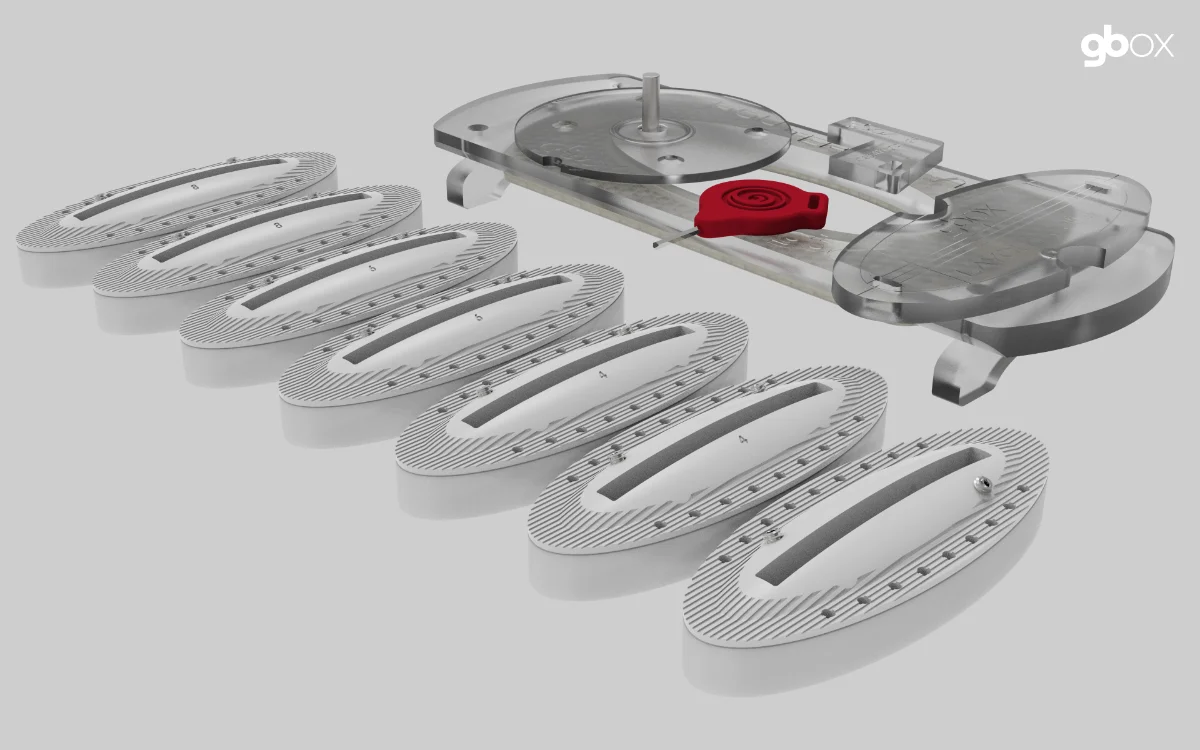
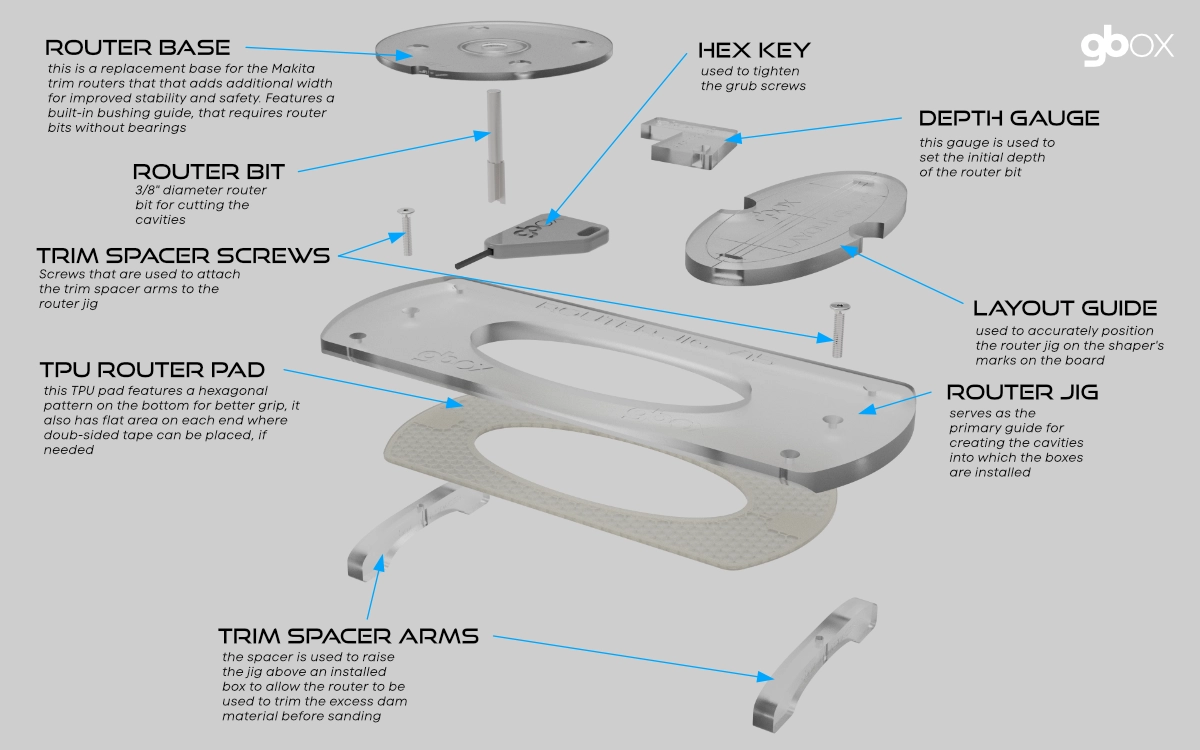
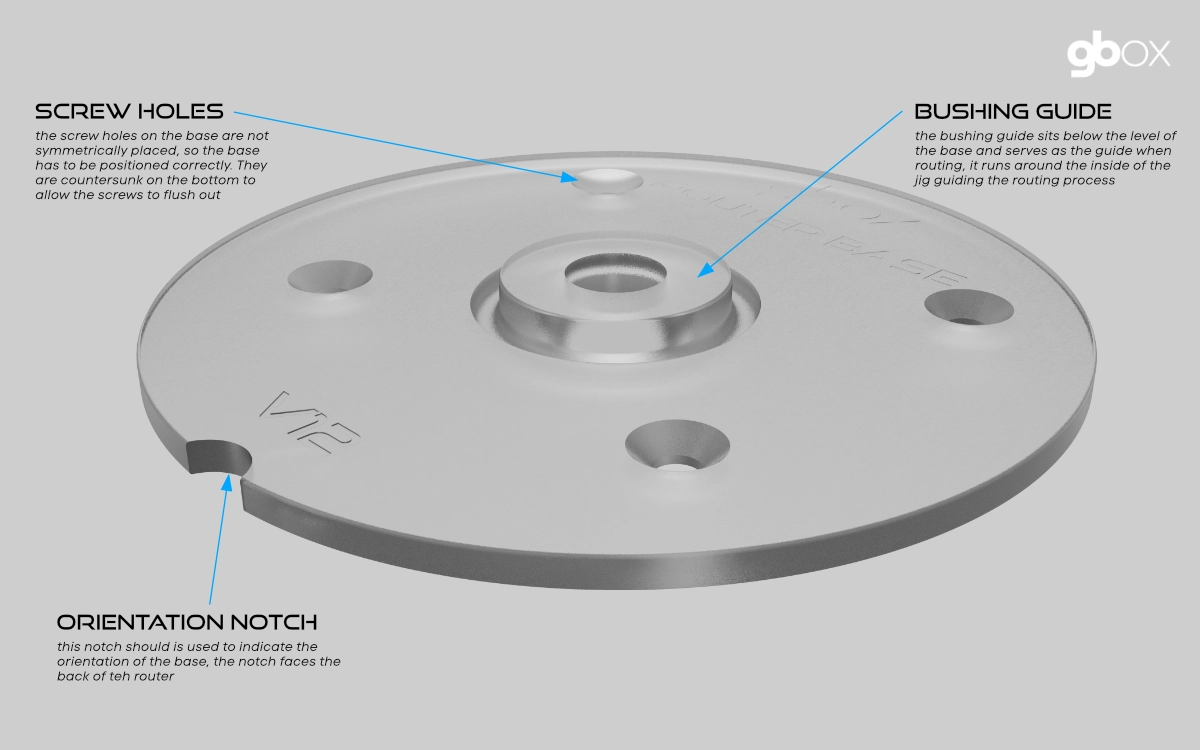
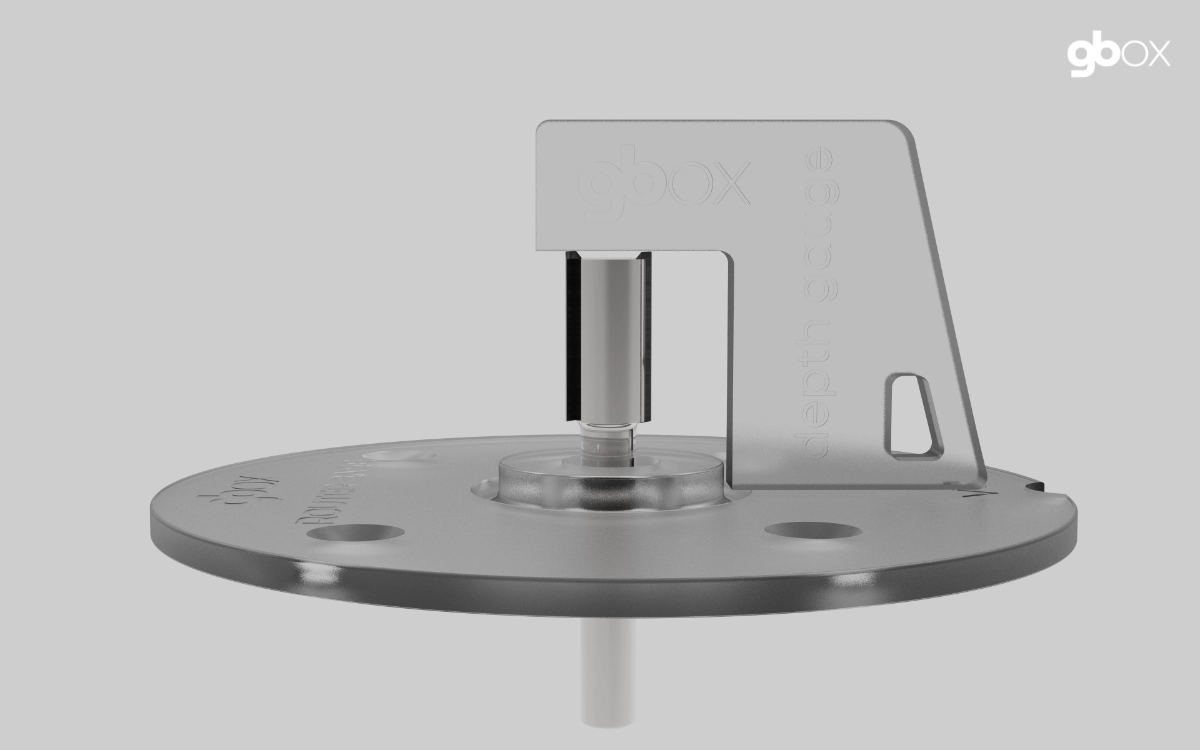
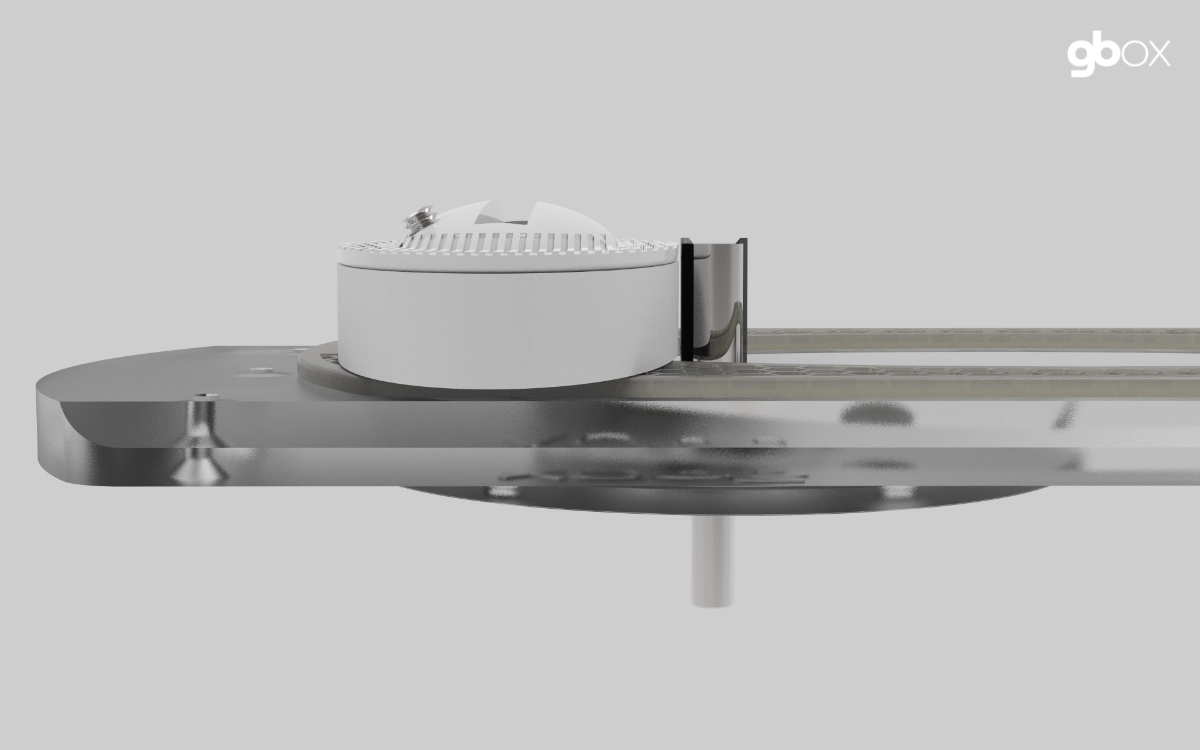
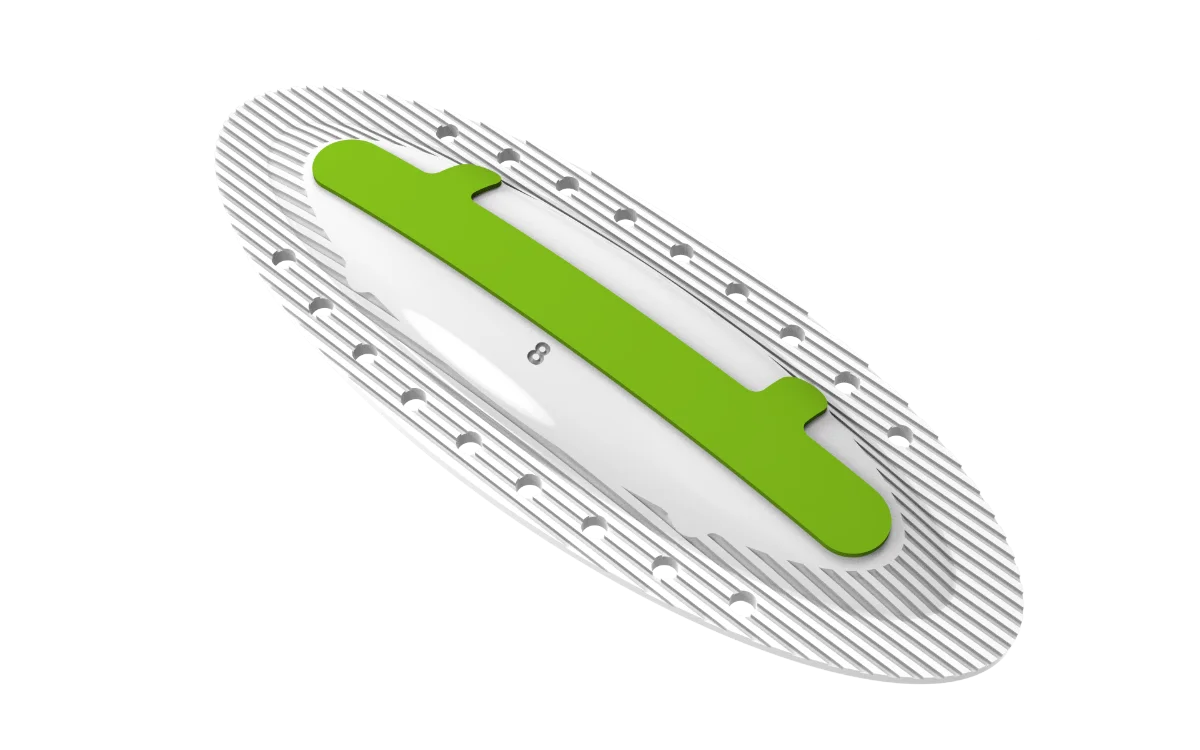
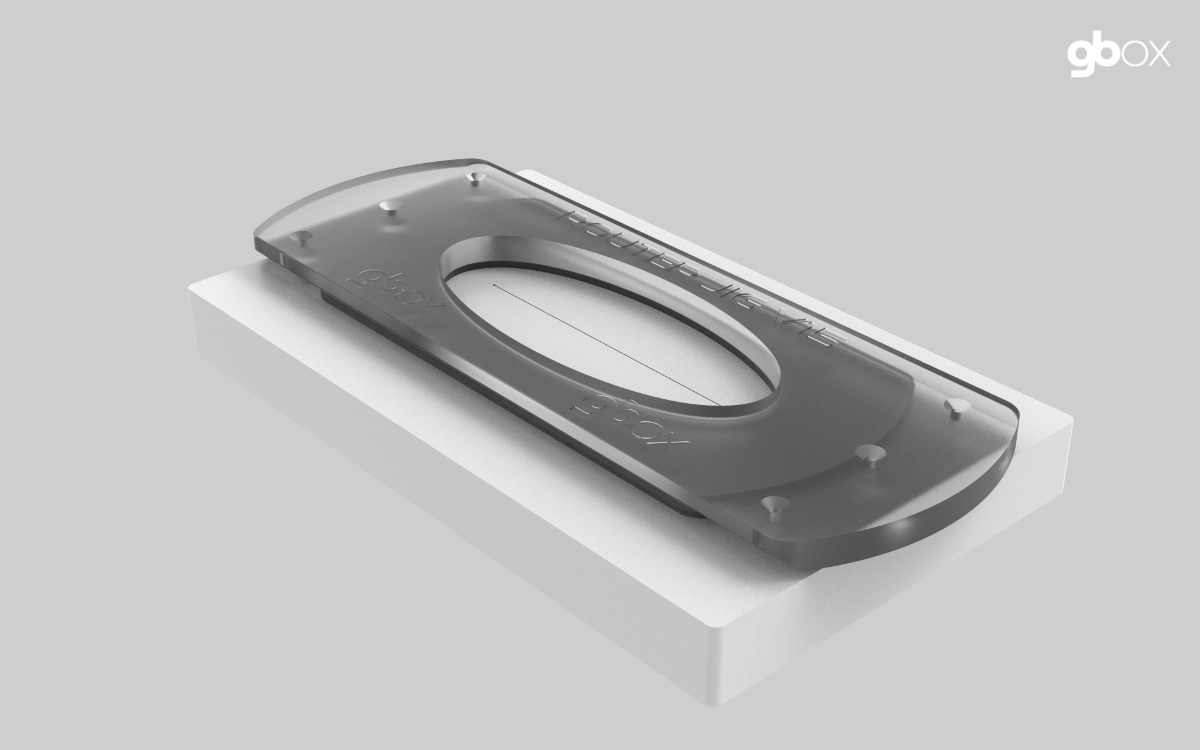
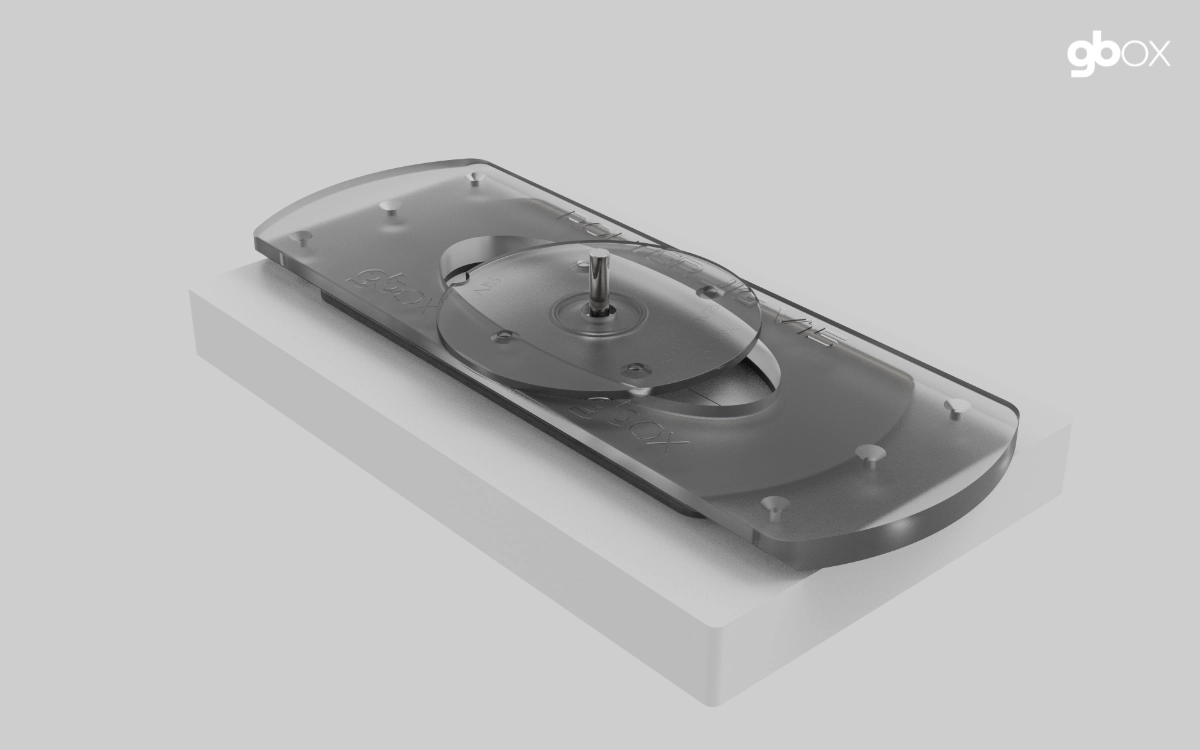
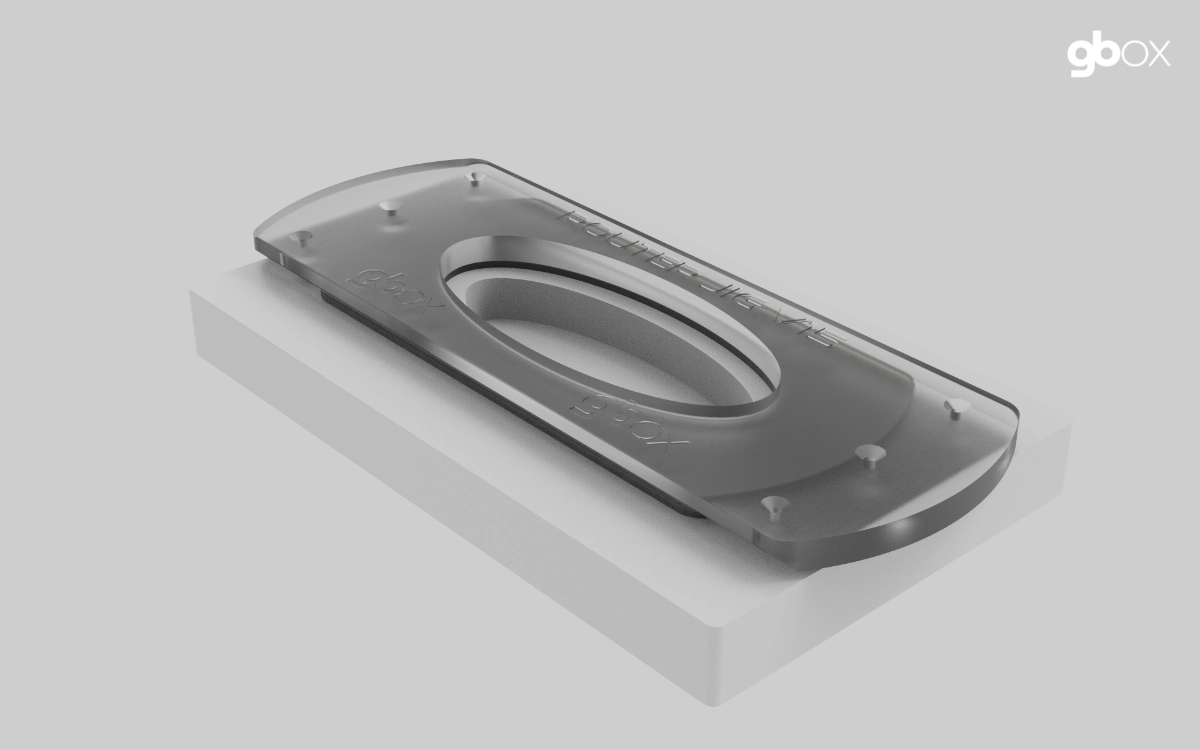
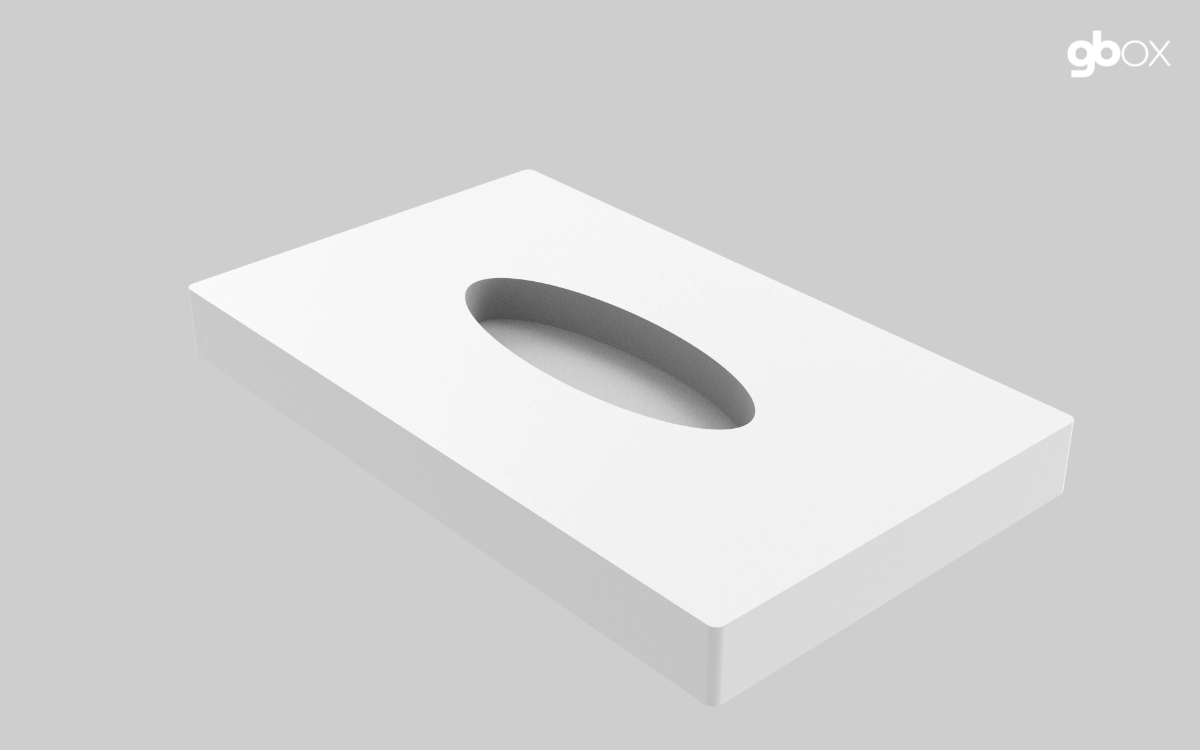
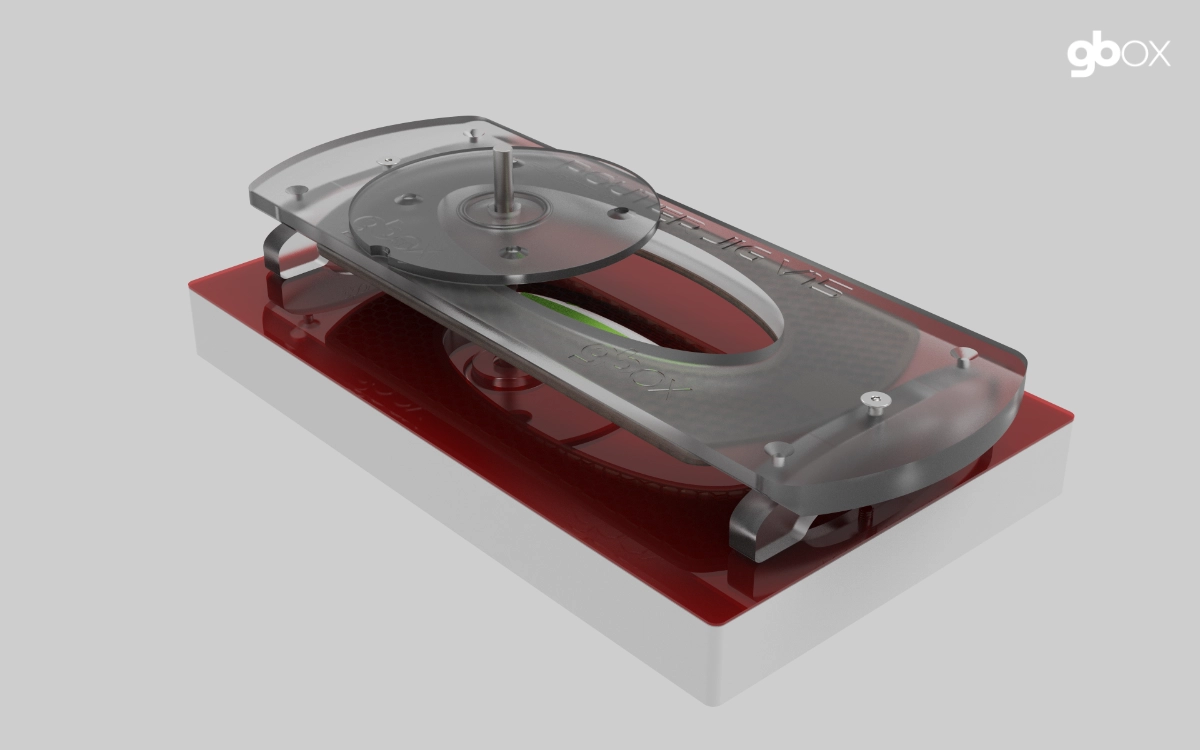
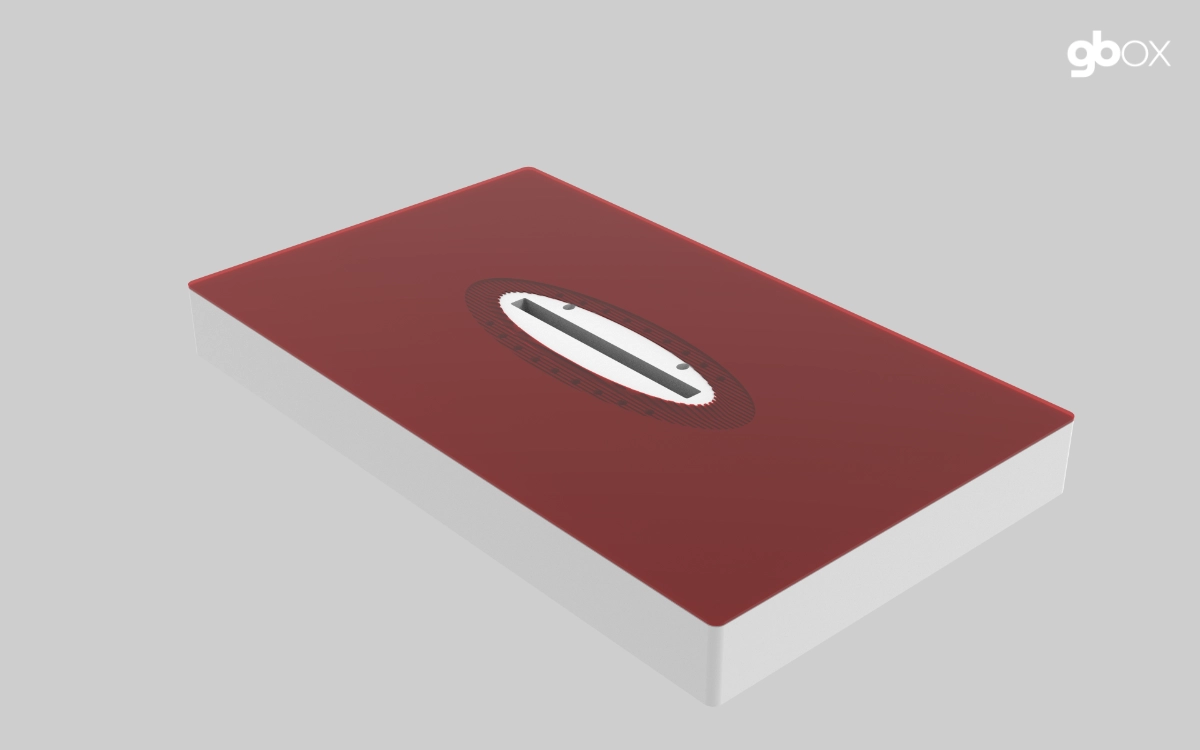
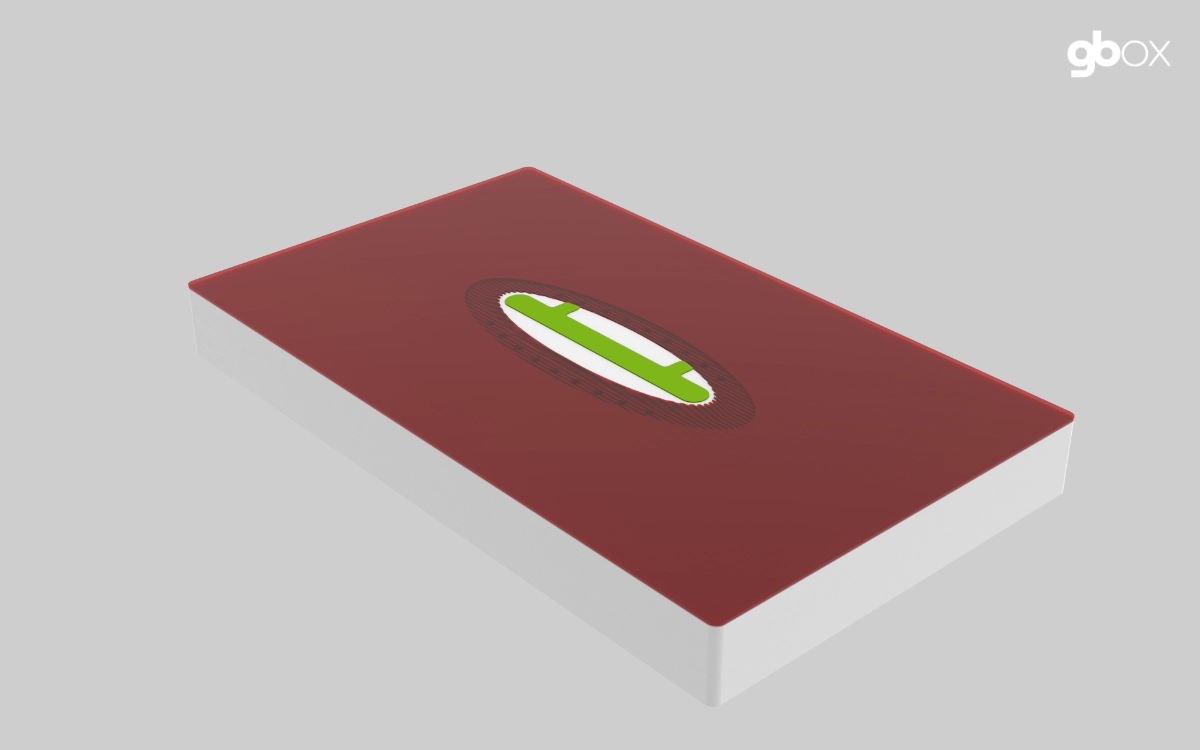
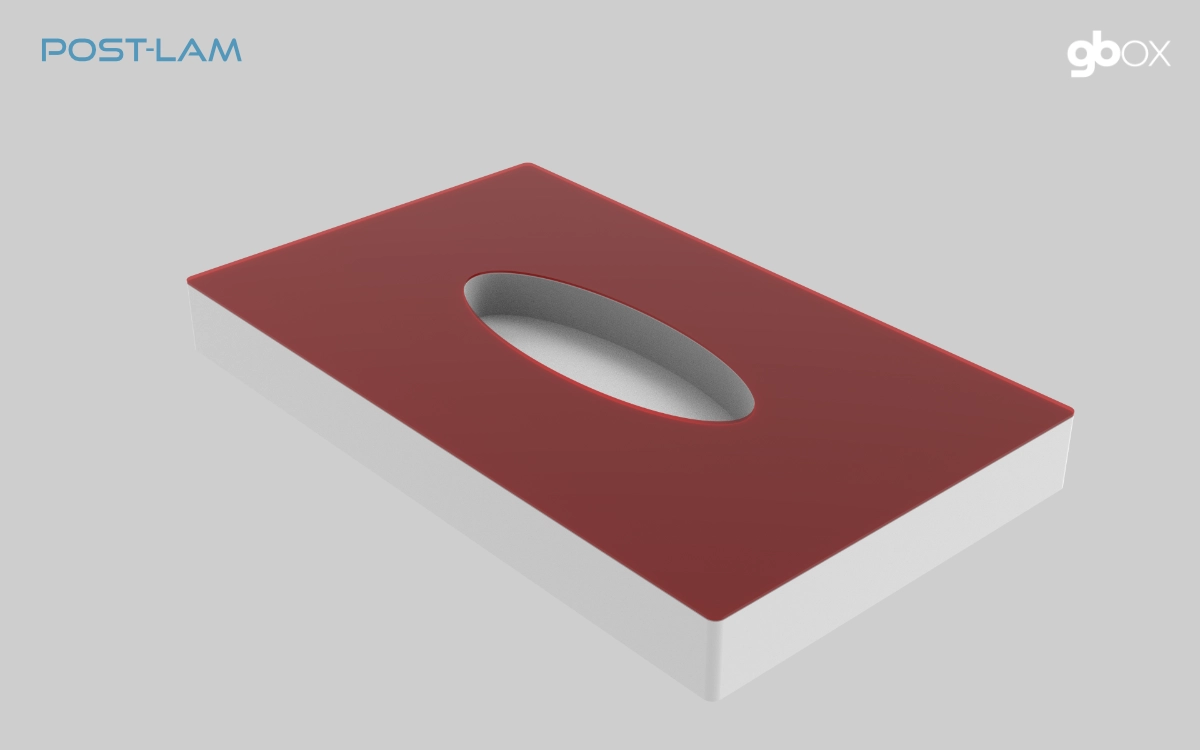
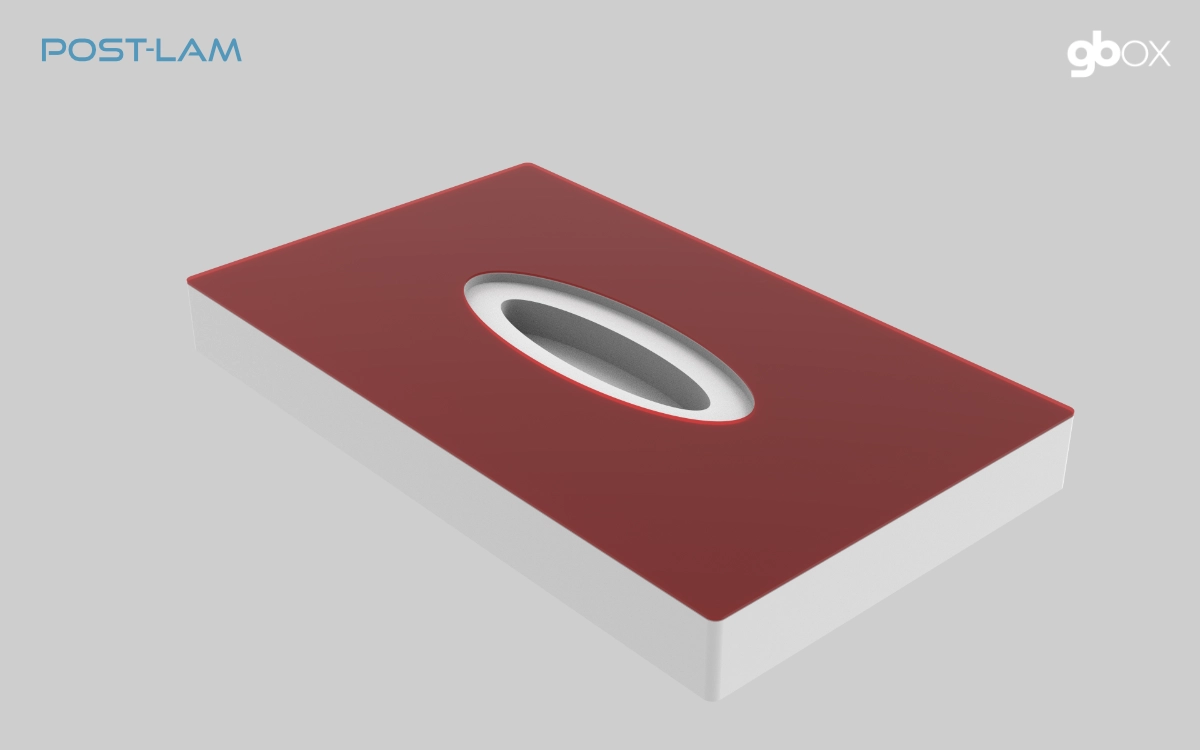
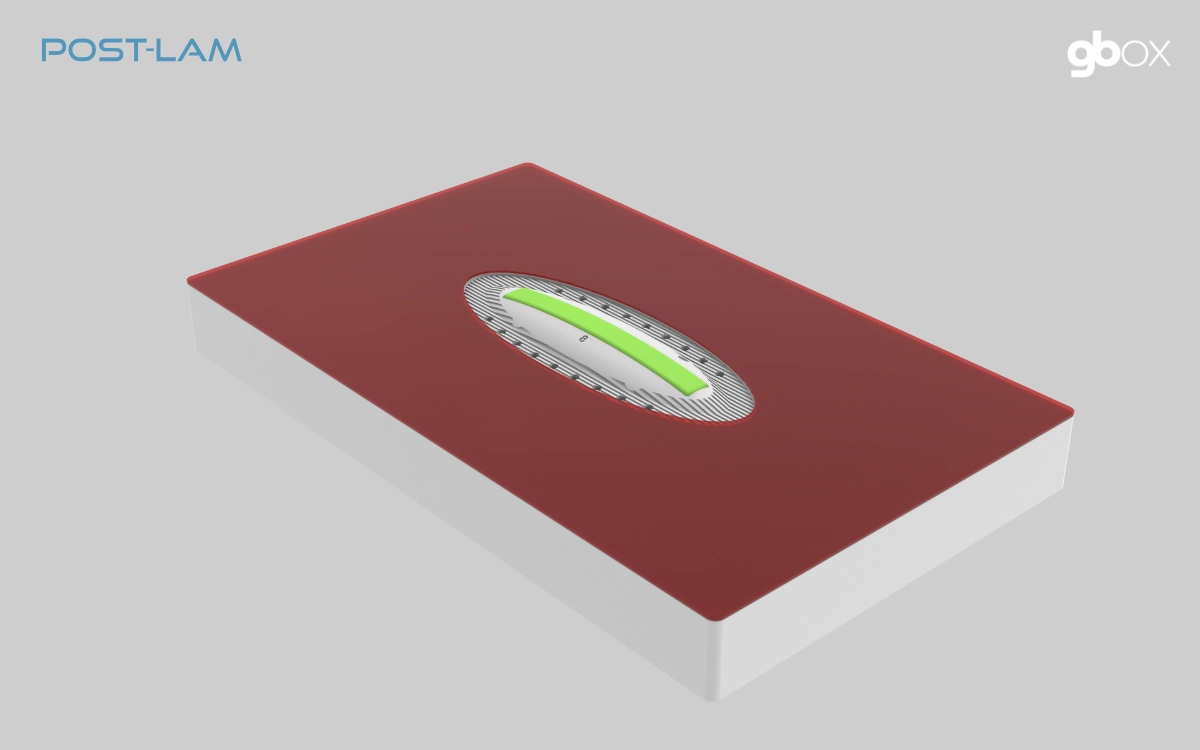
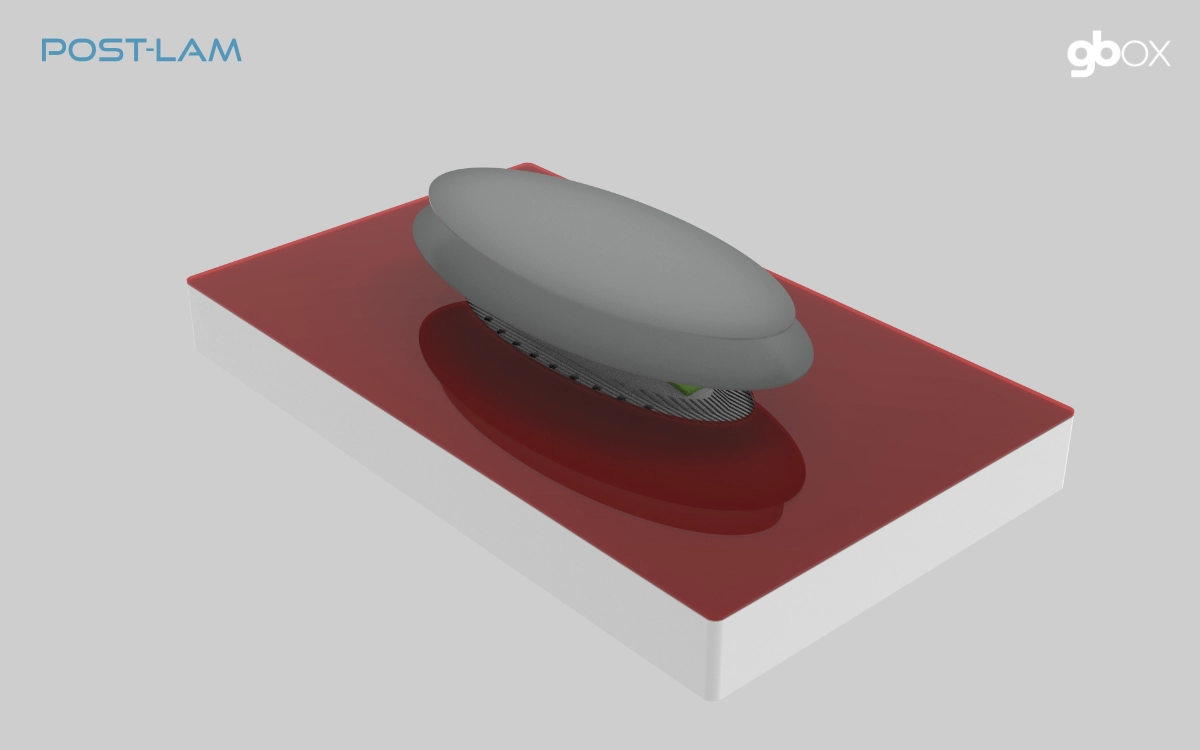
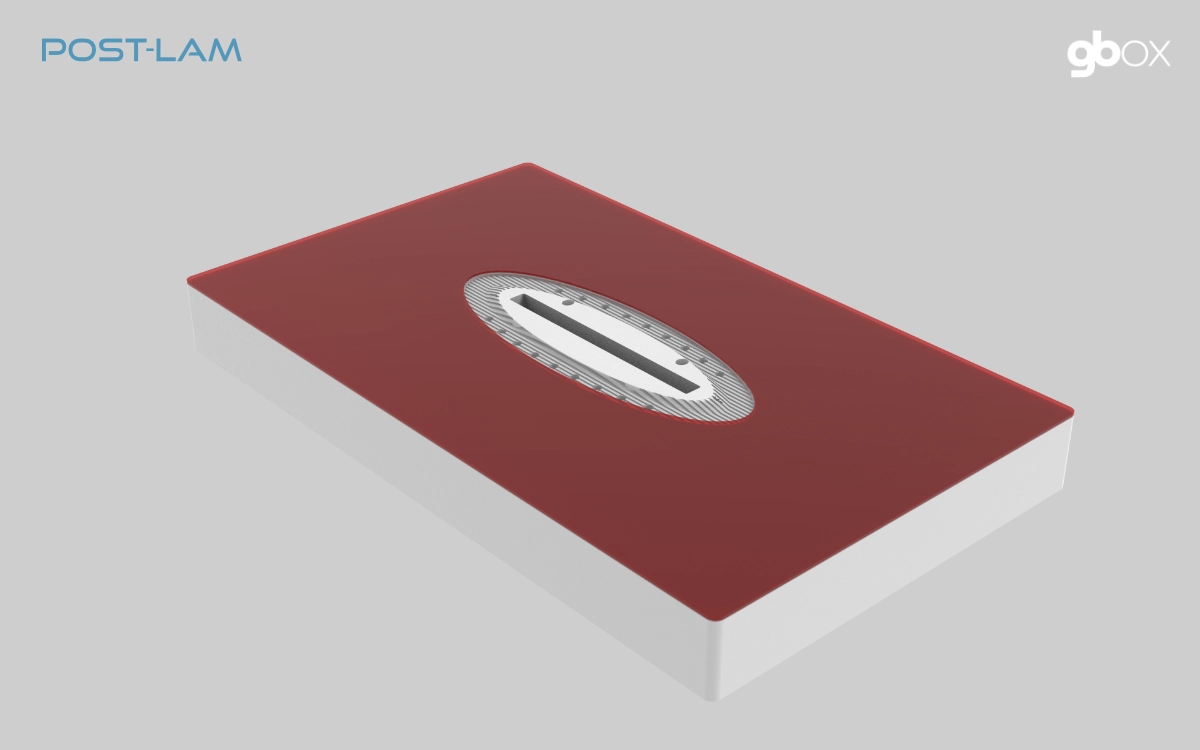
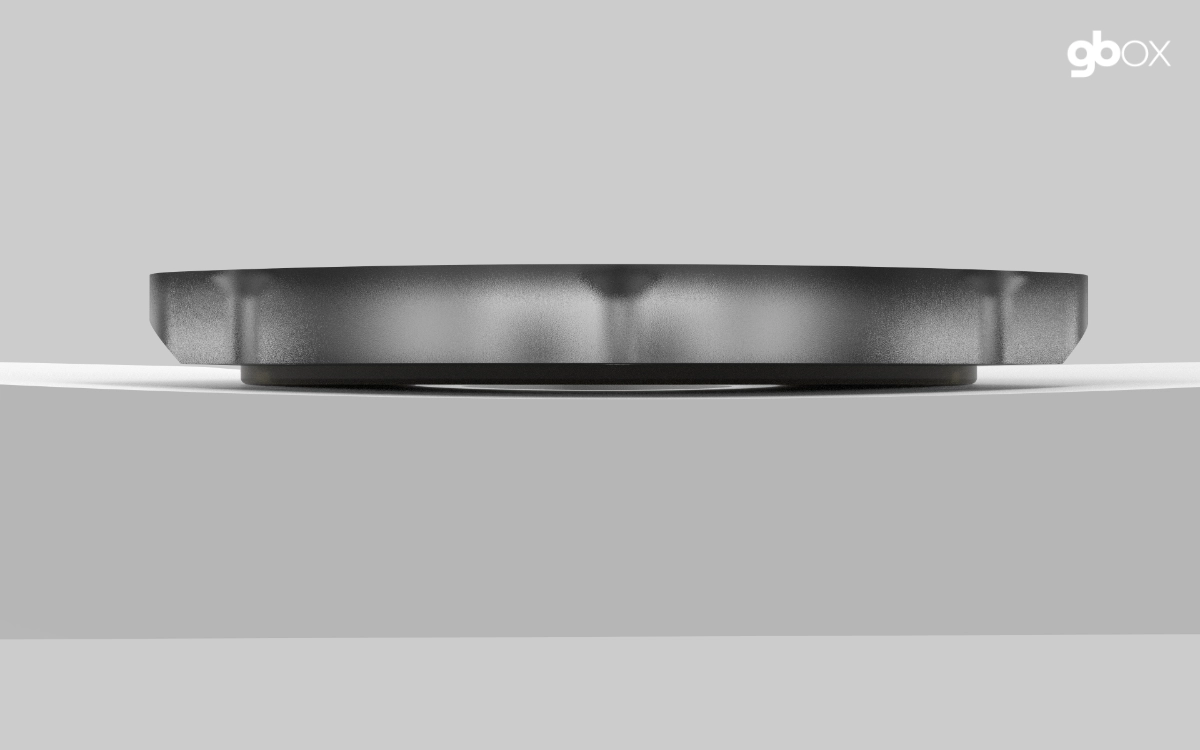
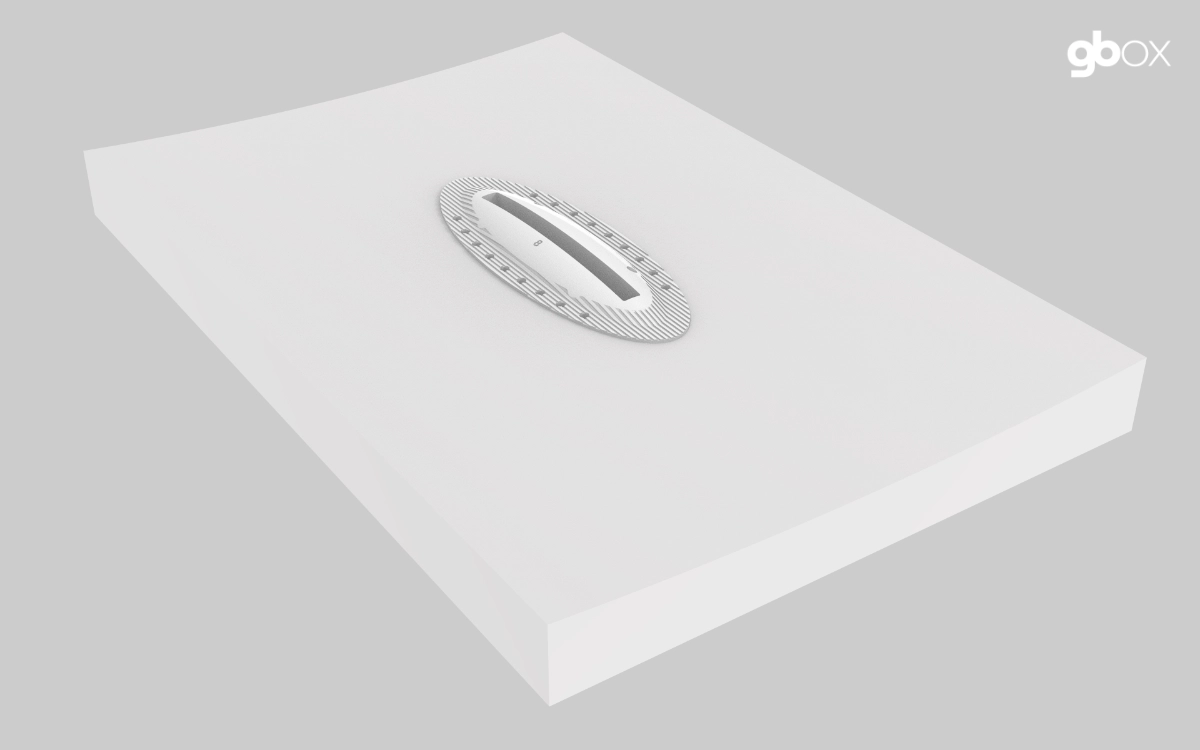
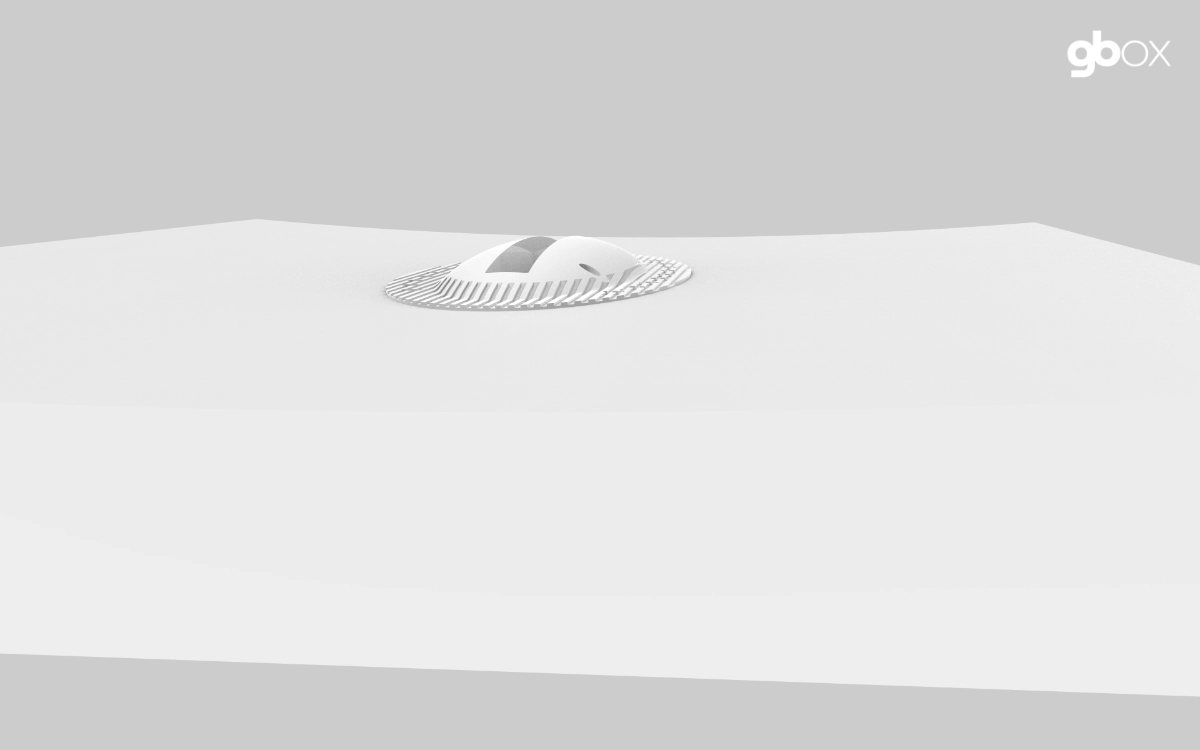
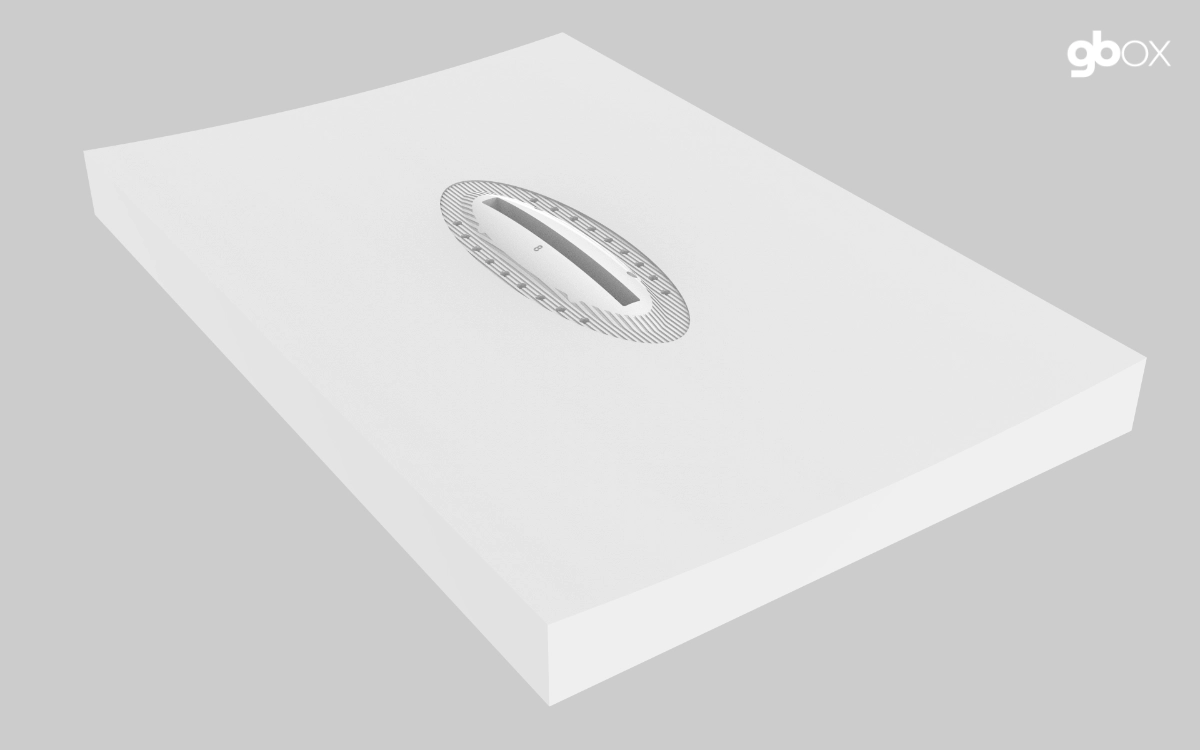
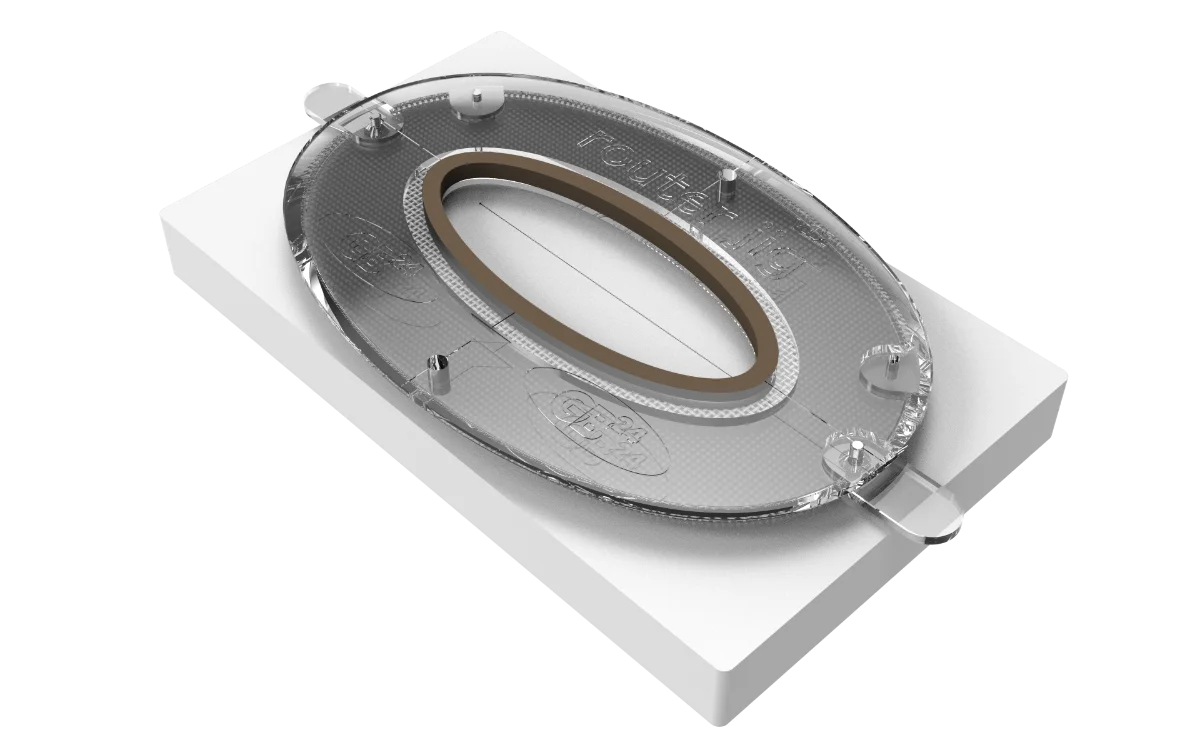
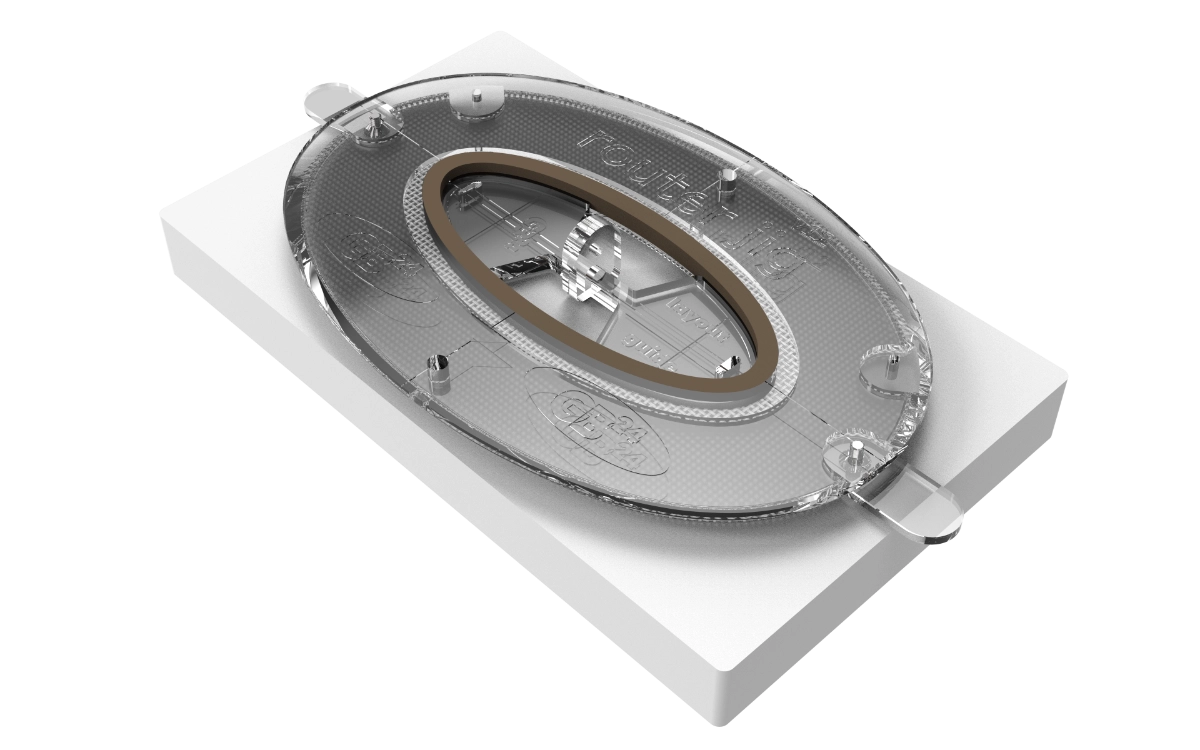
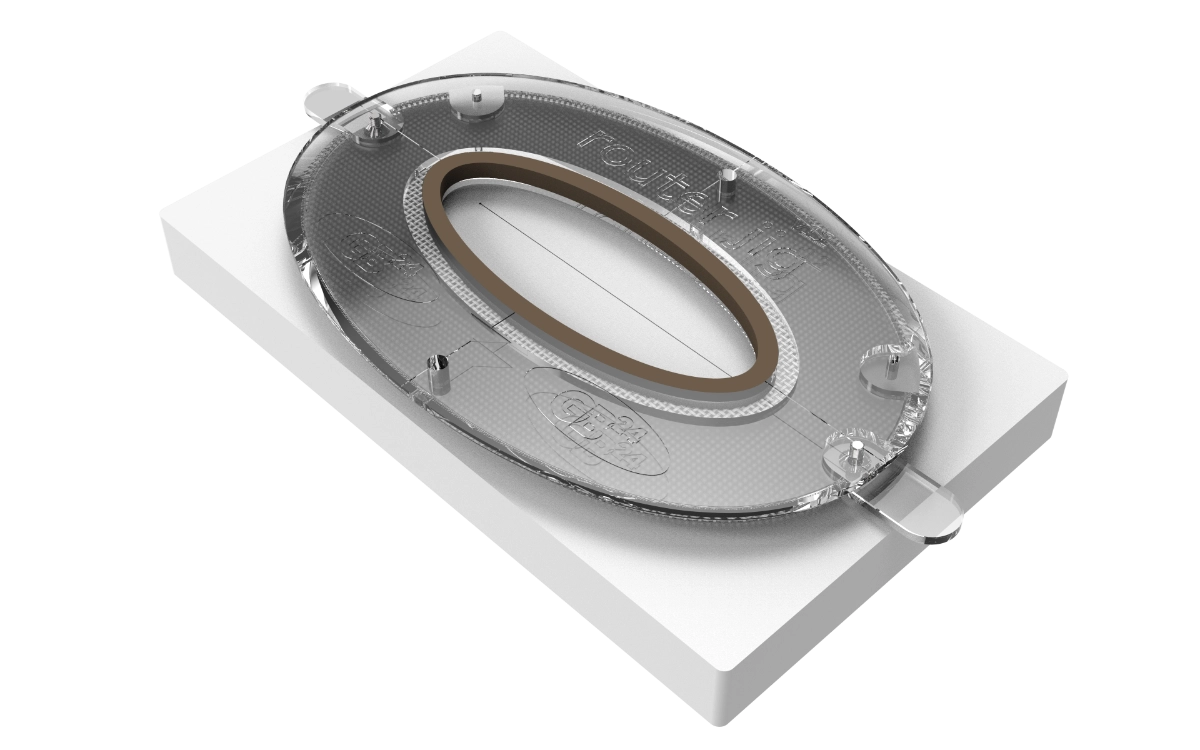
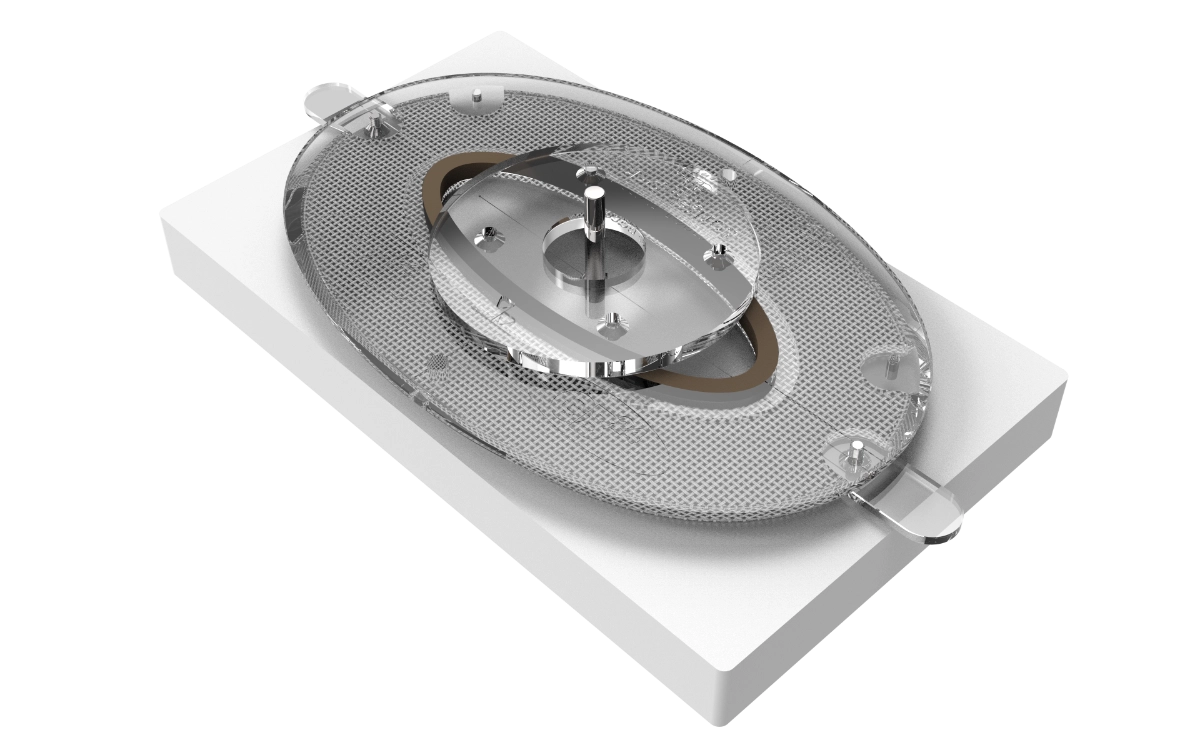
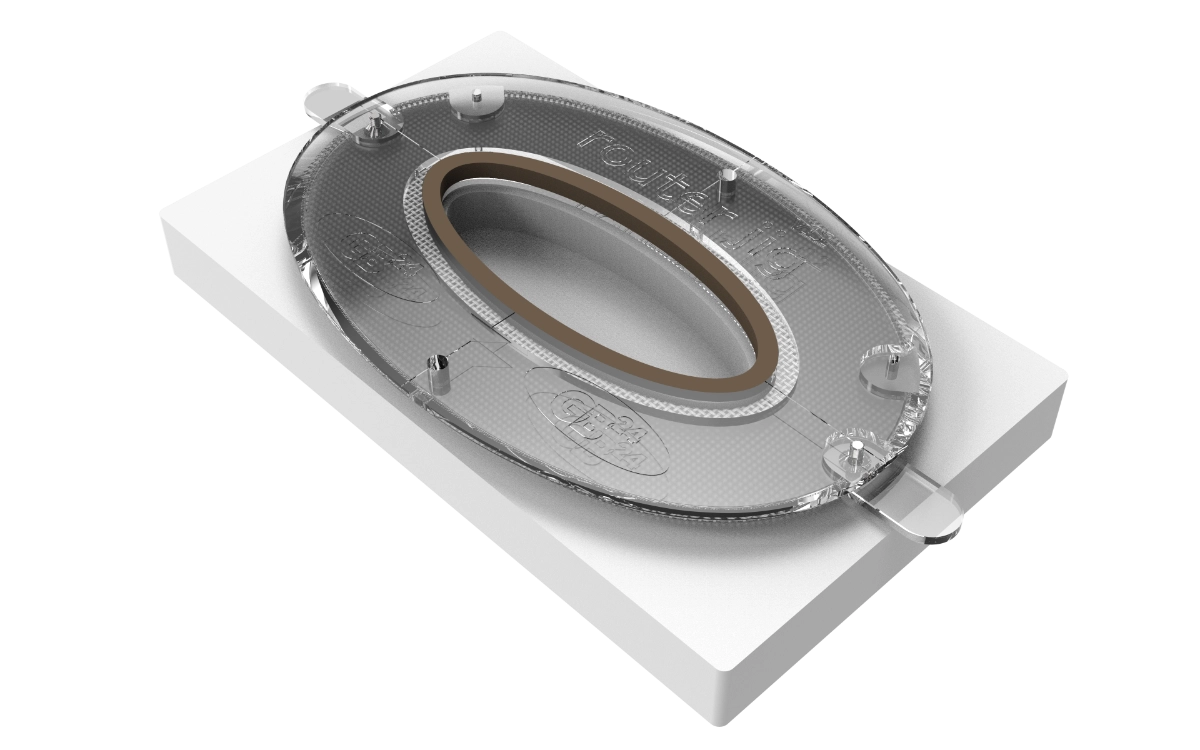
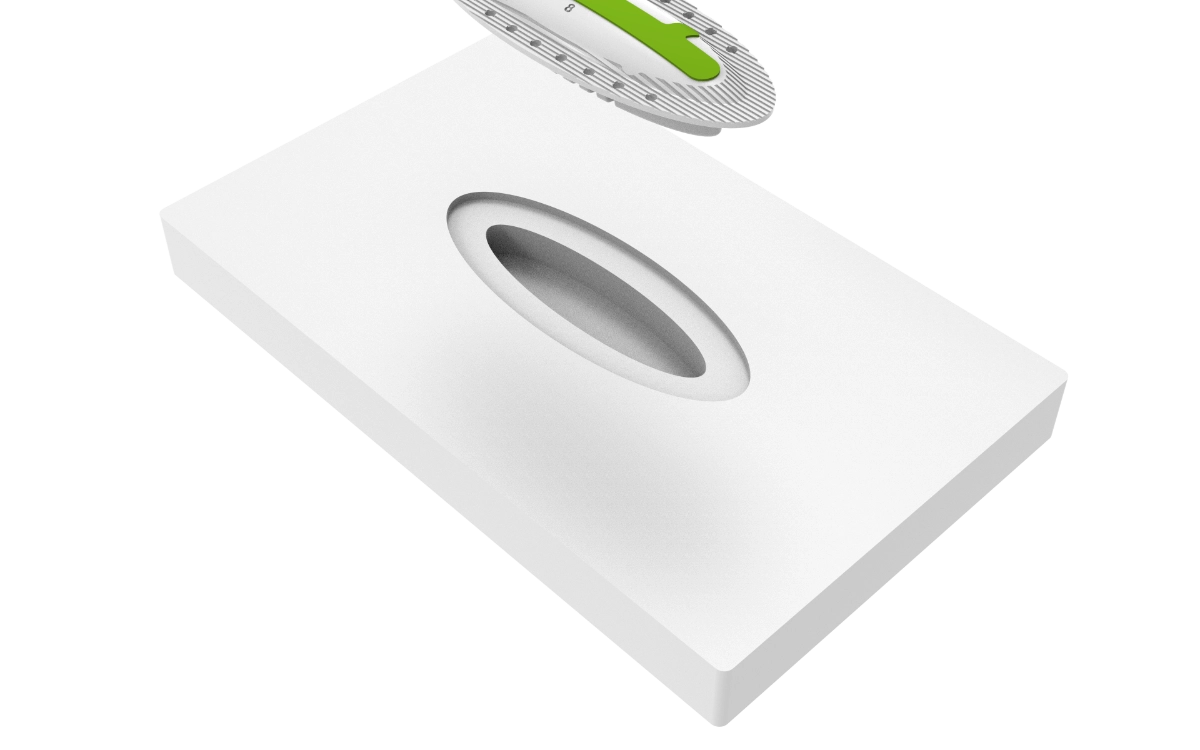
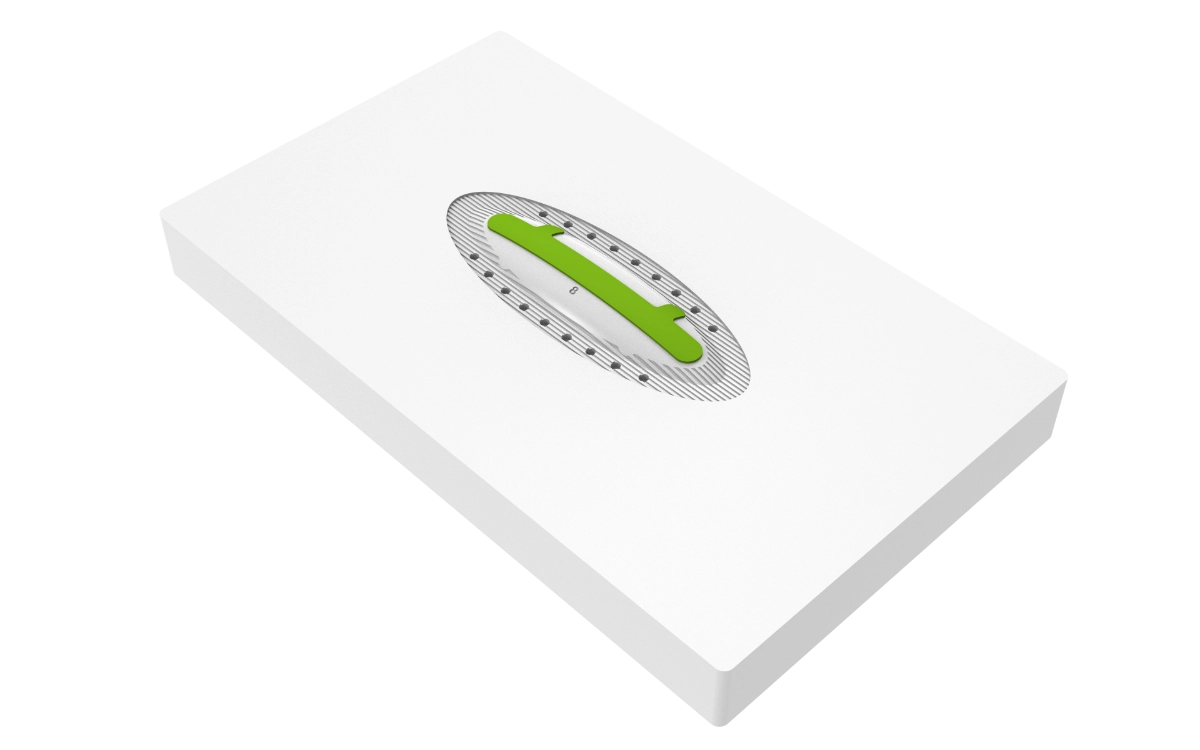
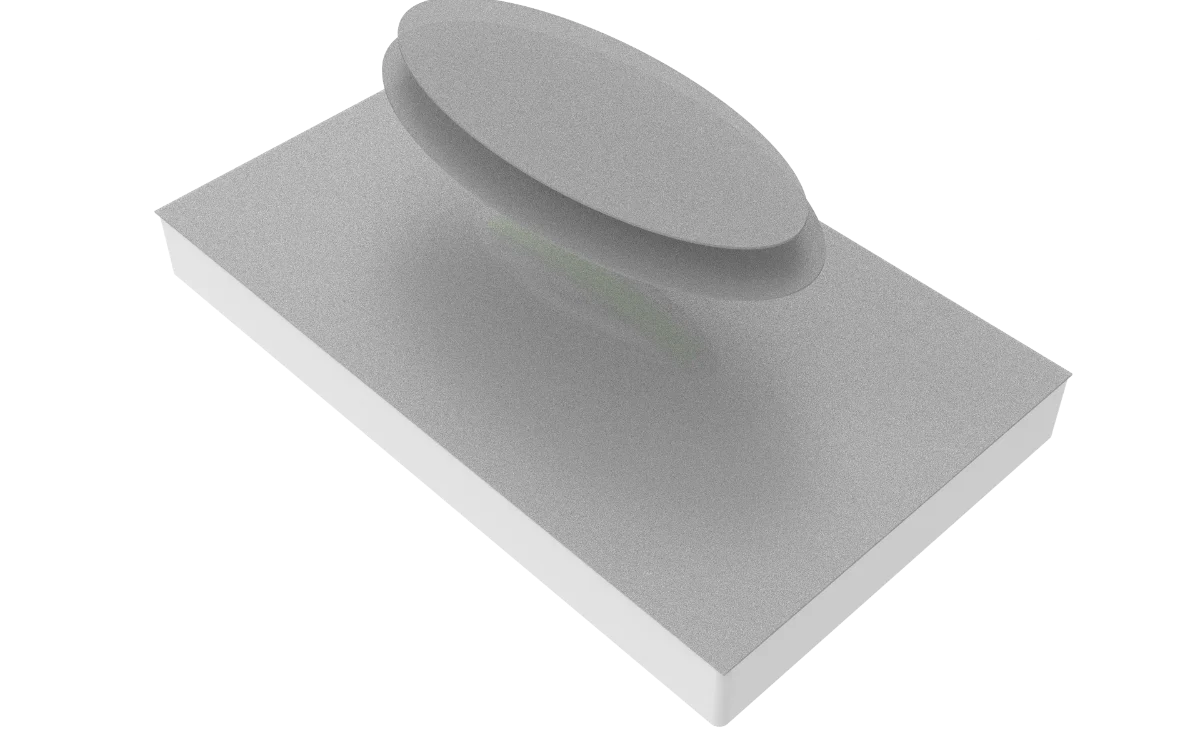
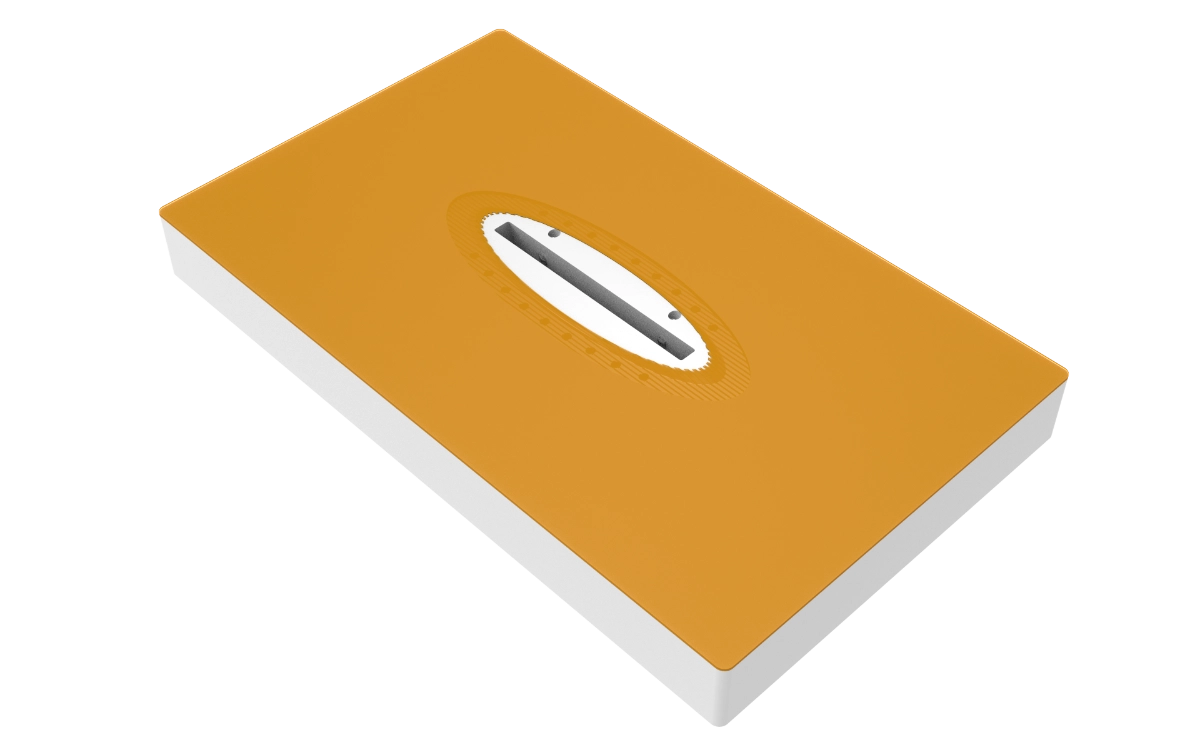
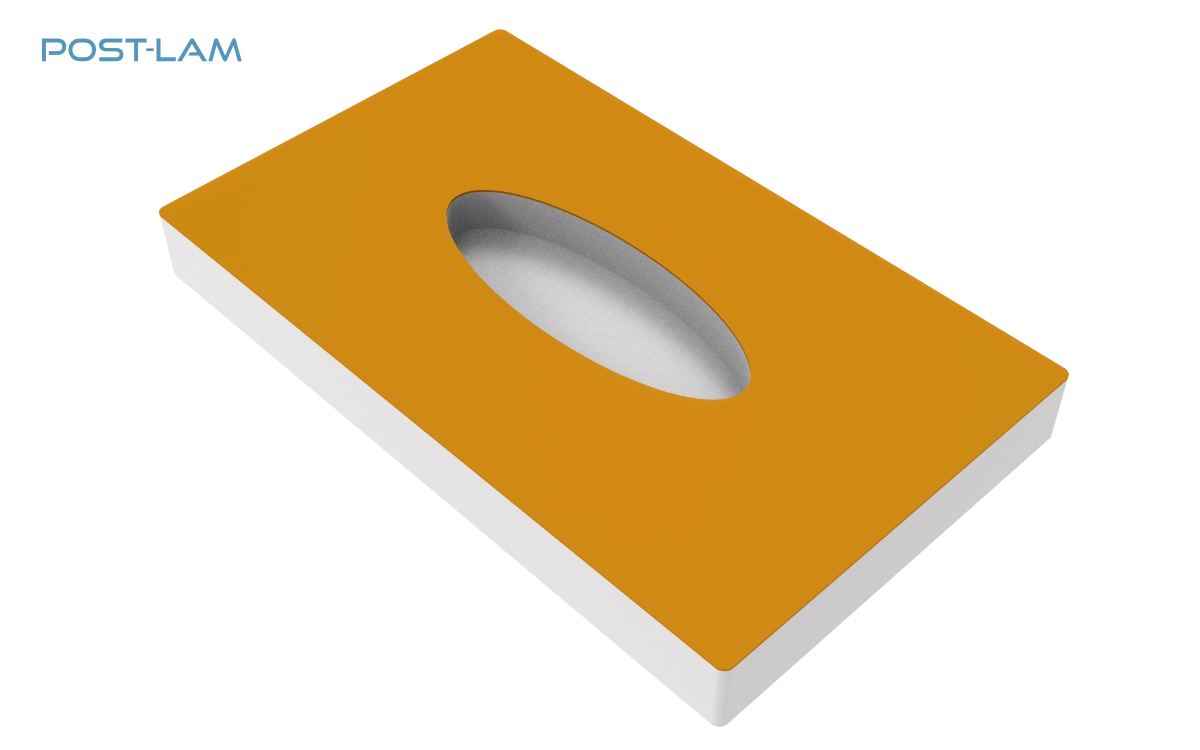
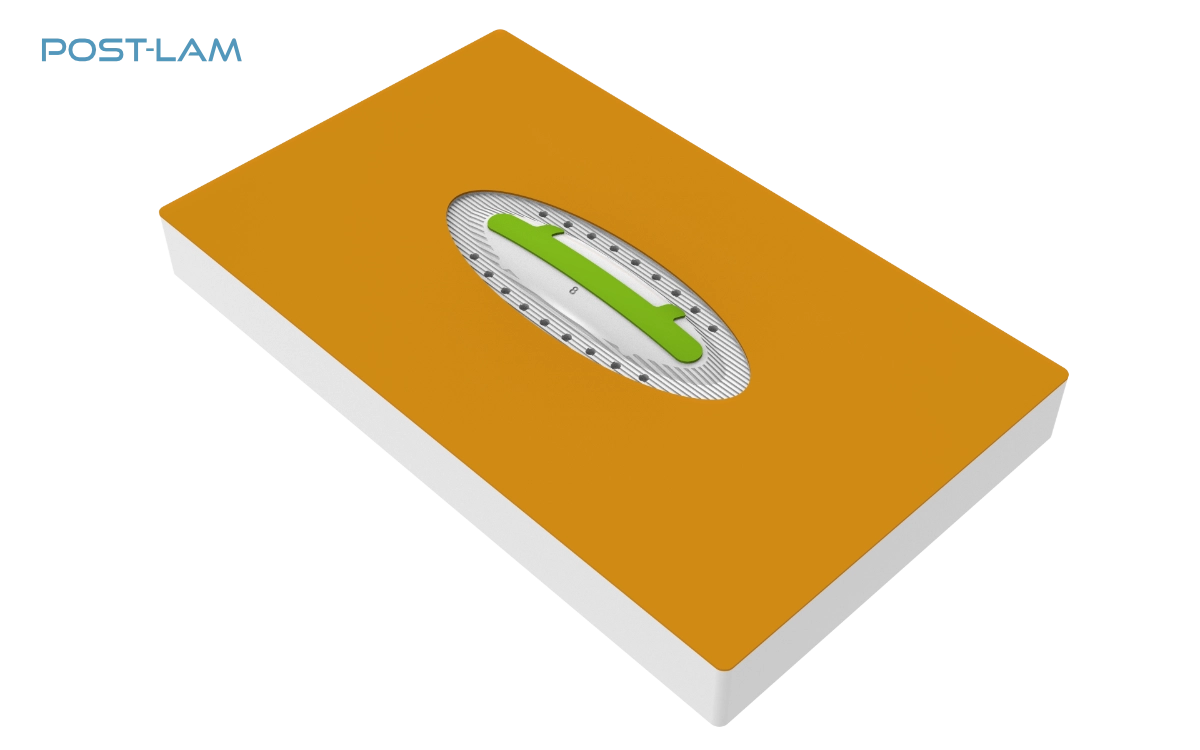
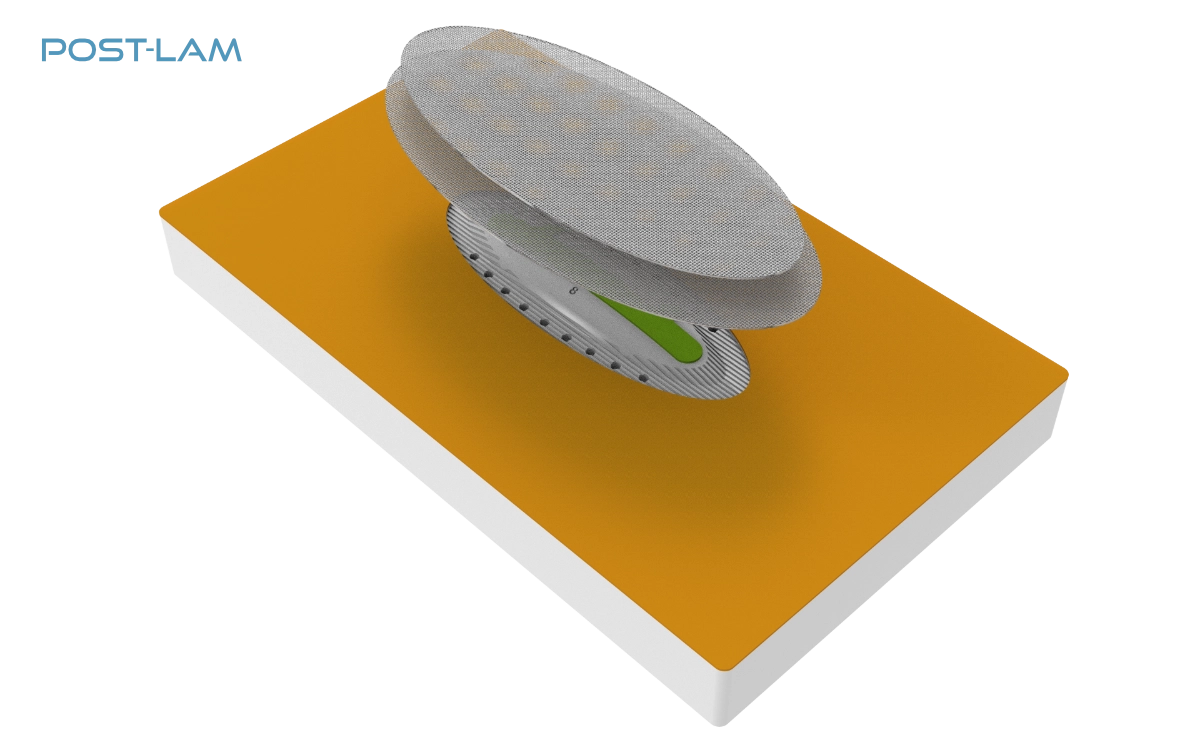
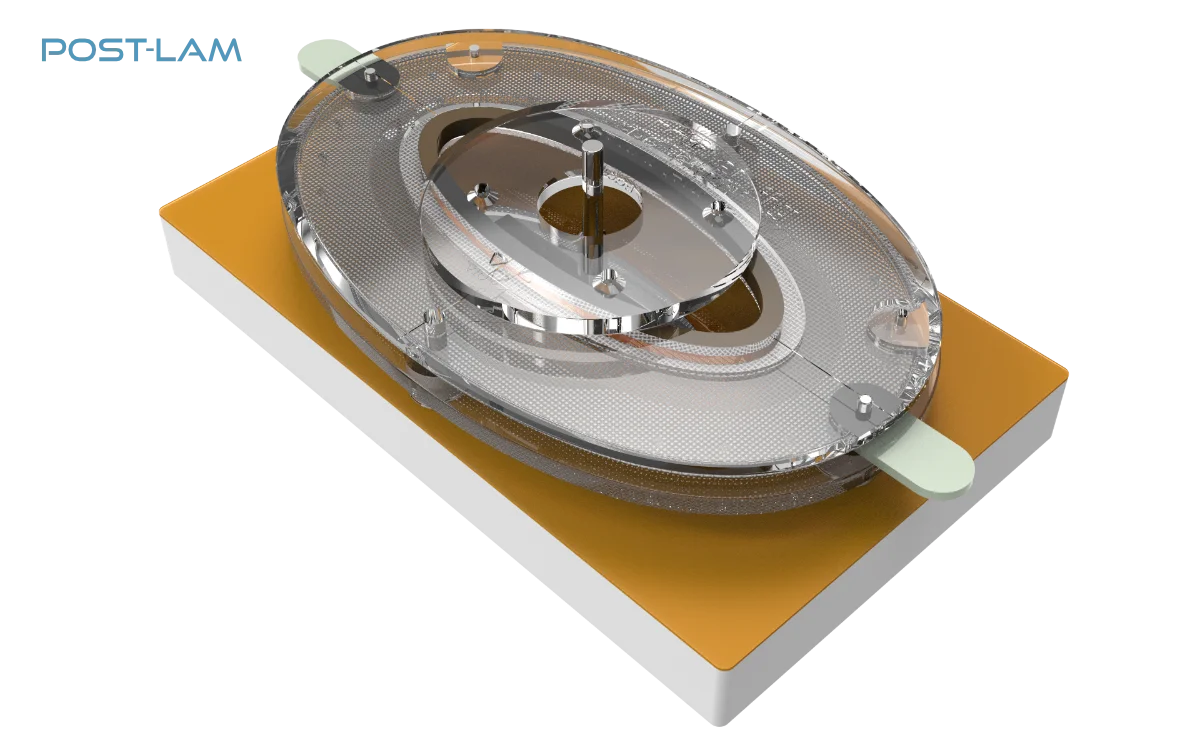
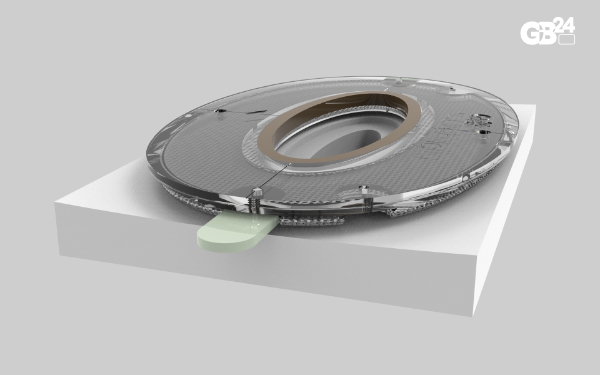
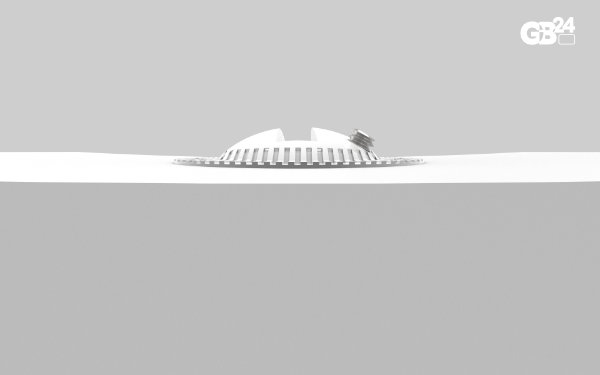
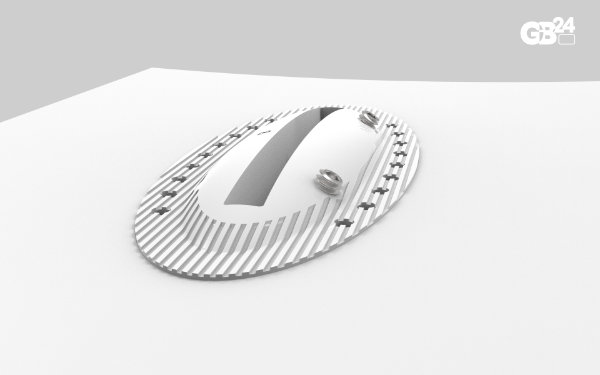
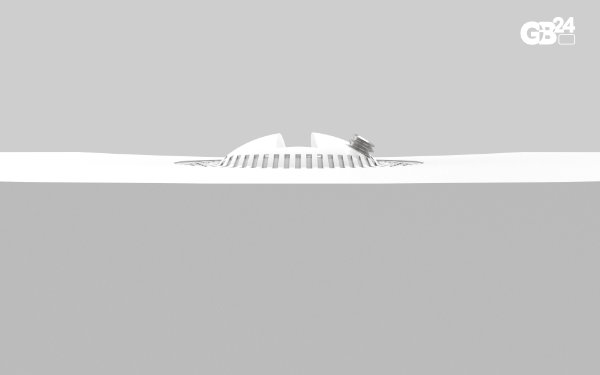
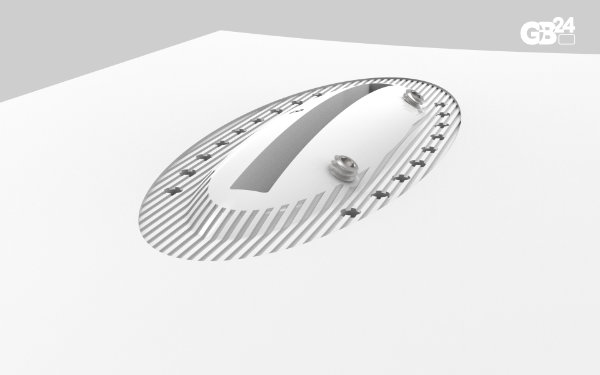
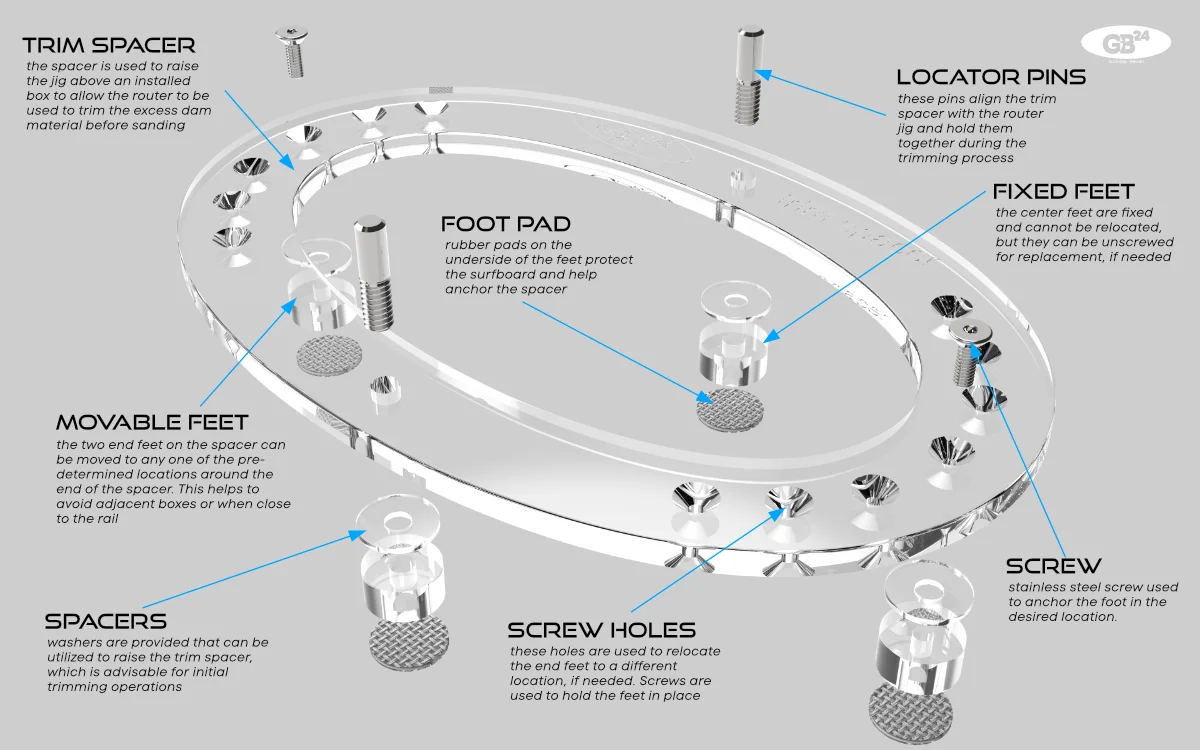
As part of our routing system, we provide a TRIM SPACER to remove the excess dam material before sanding the board. It is utilized after the board has been hot-coated and before sanding.
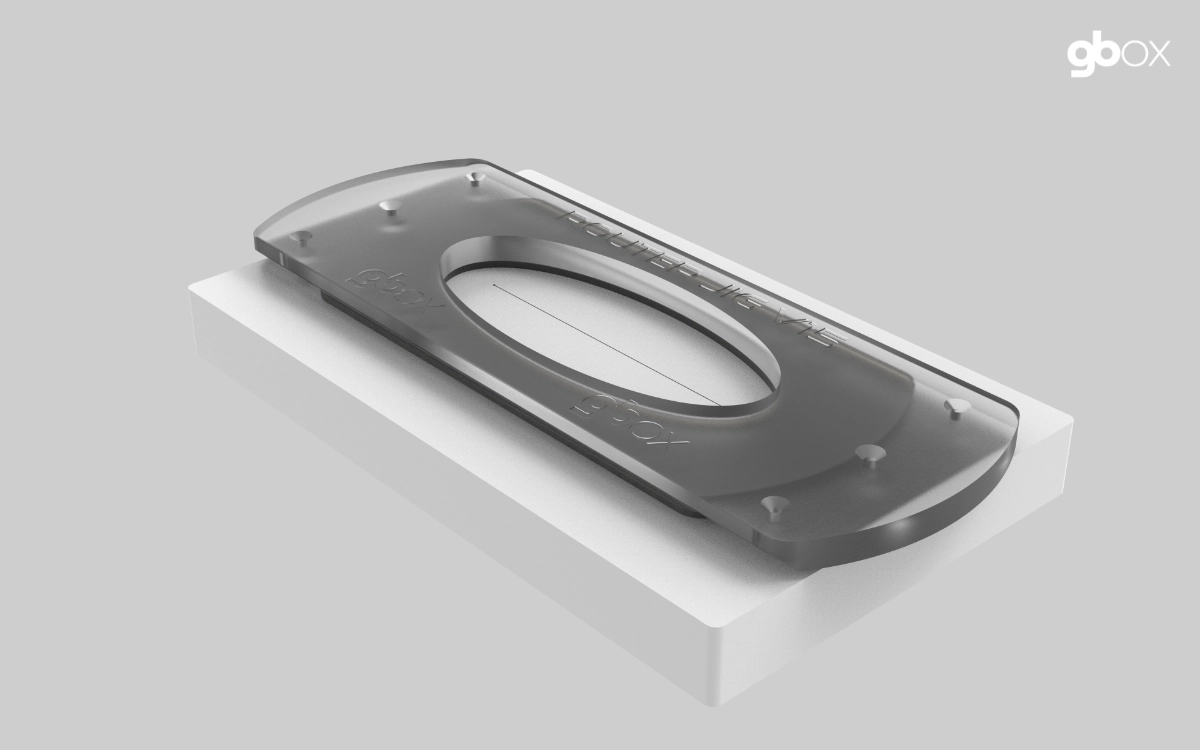
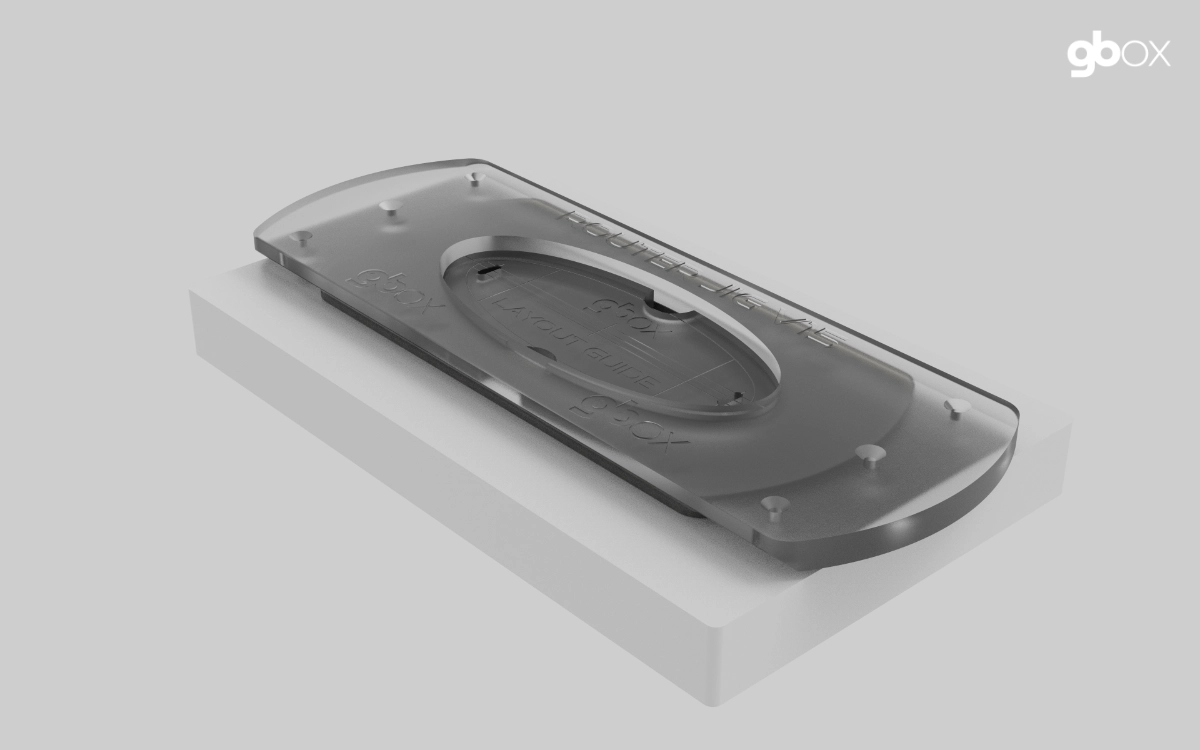
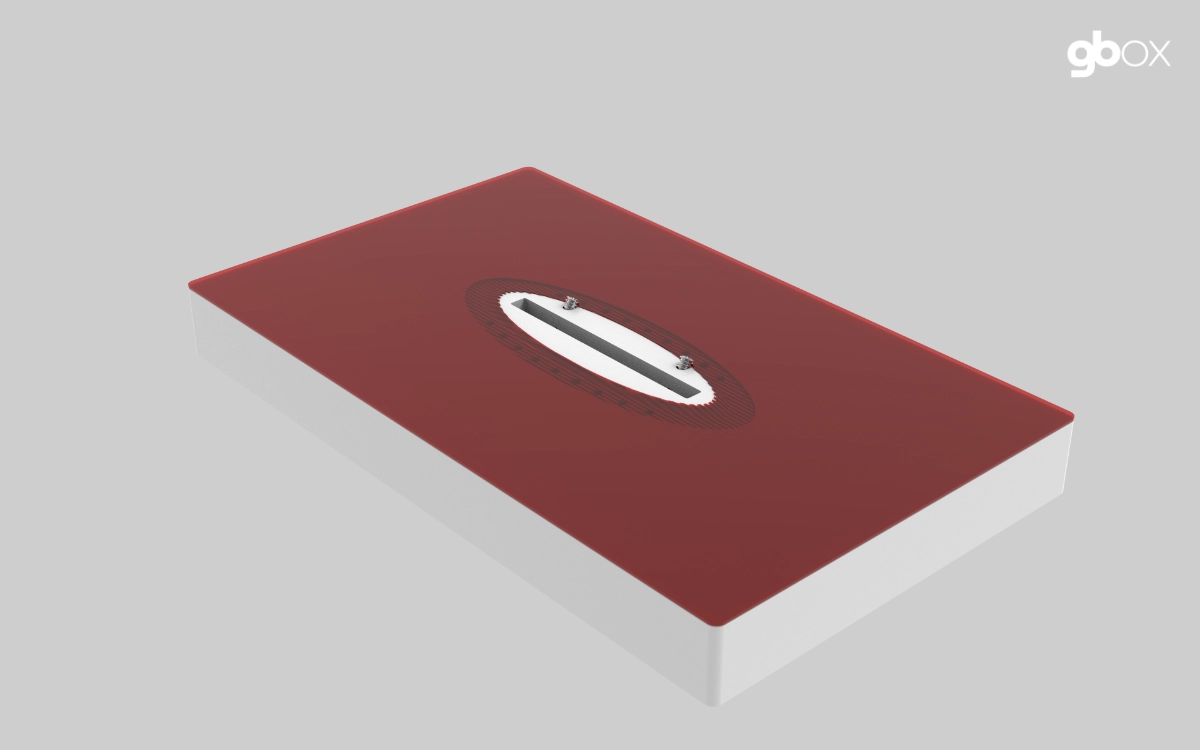
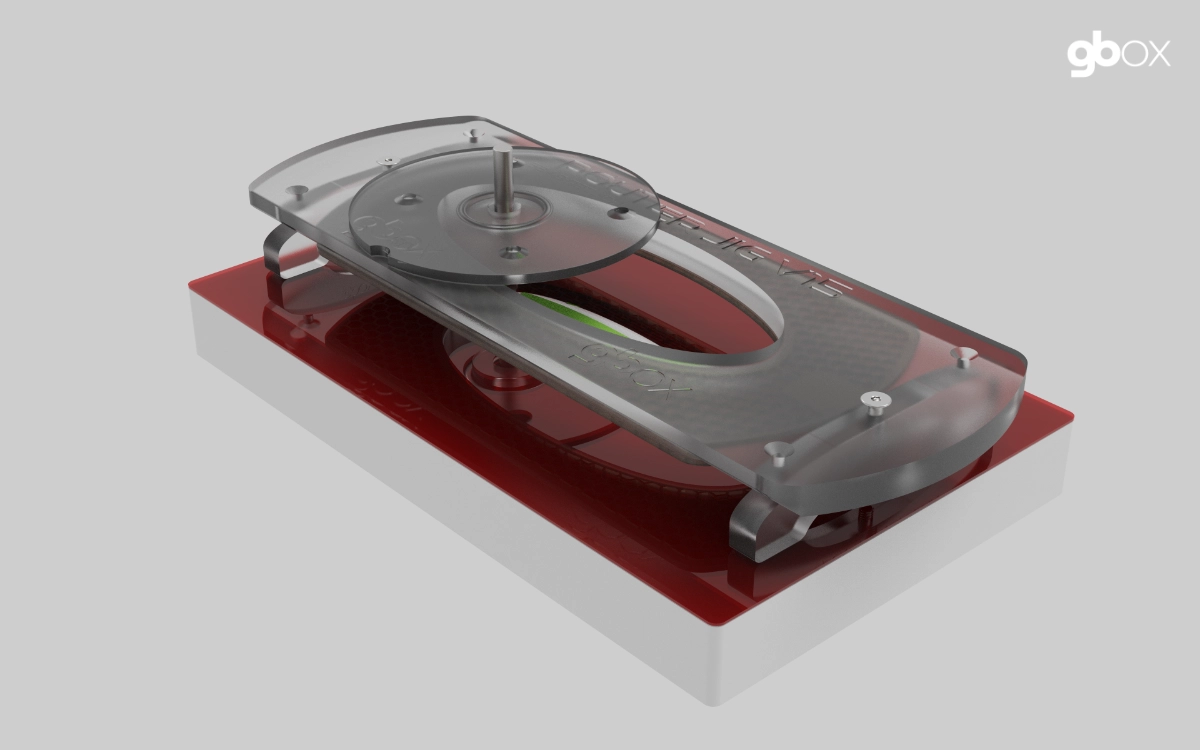
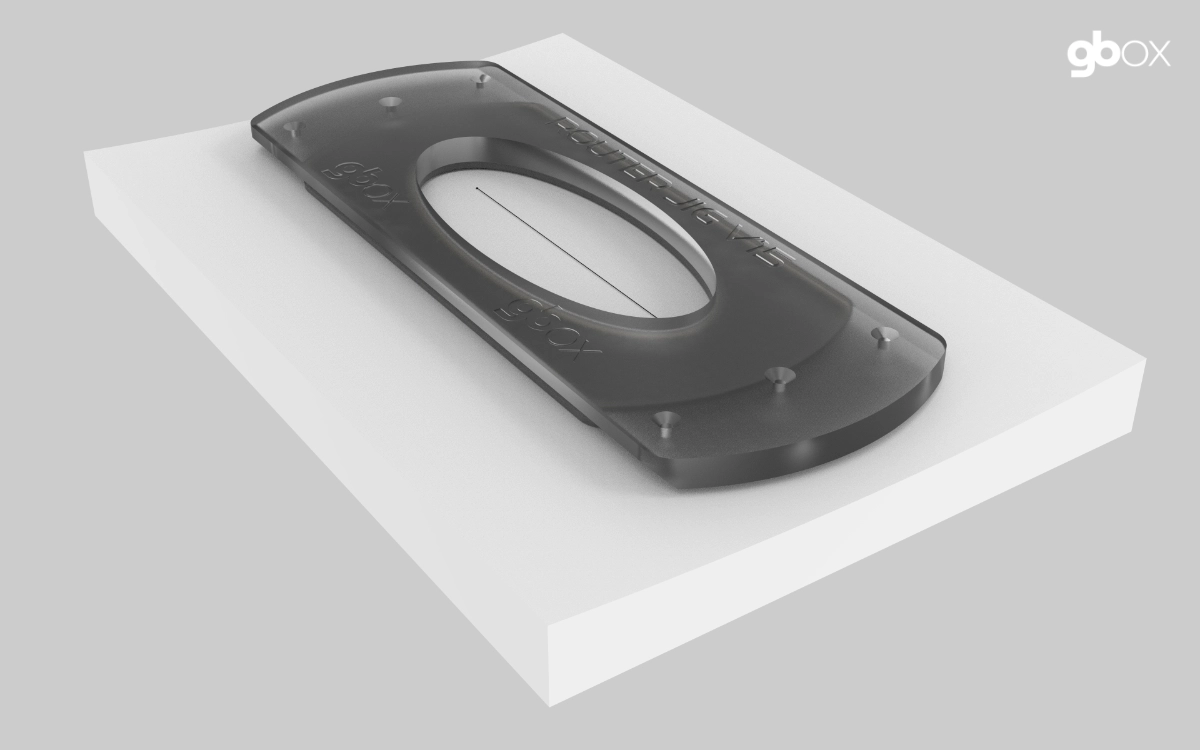
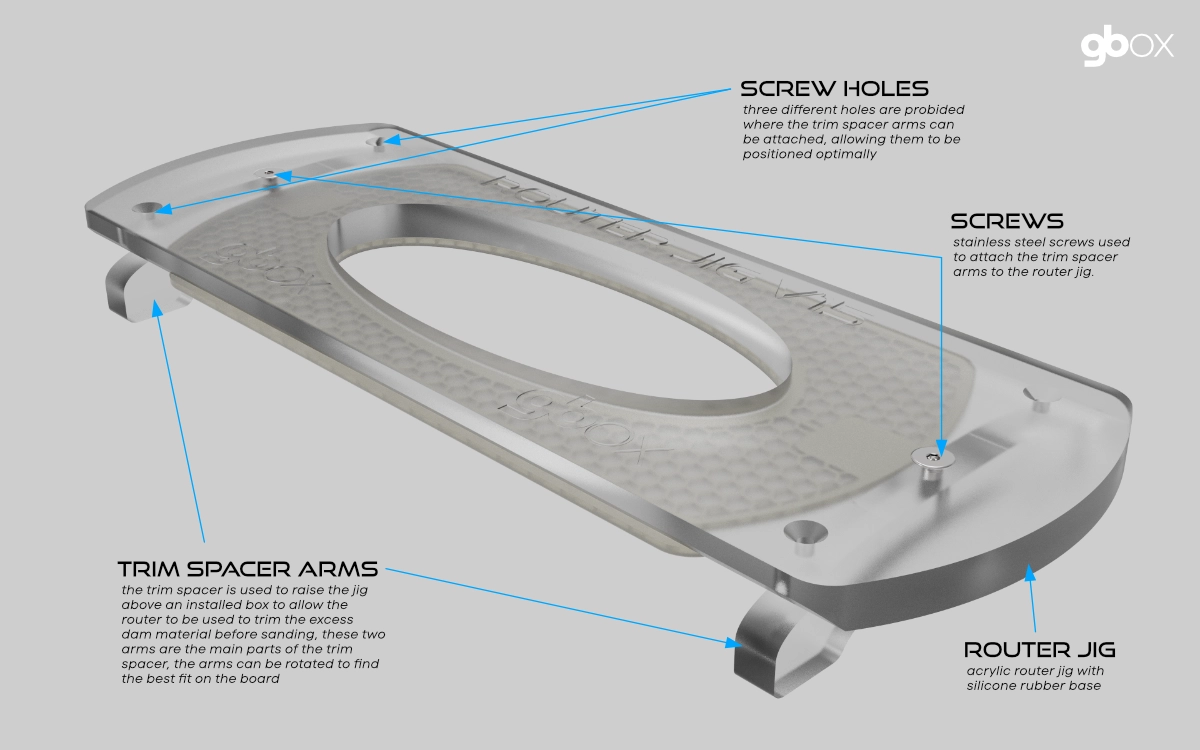
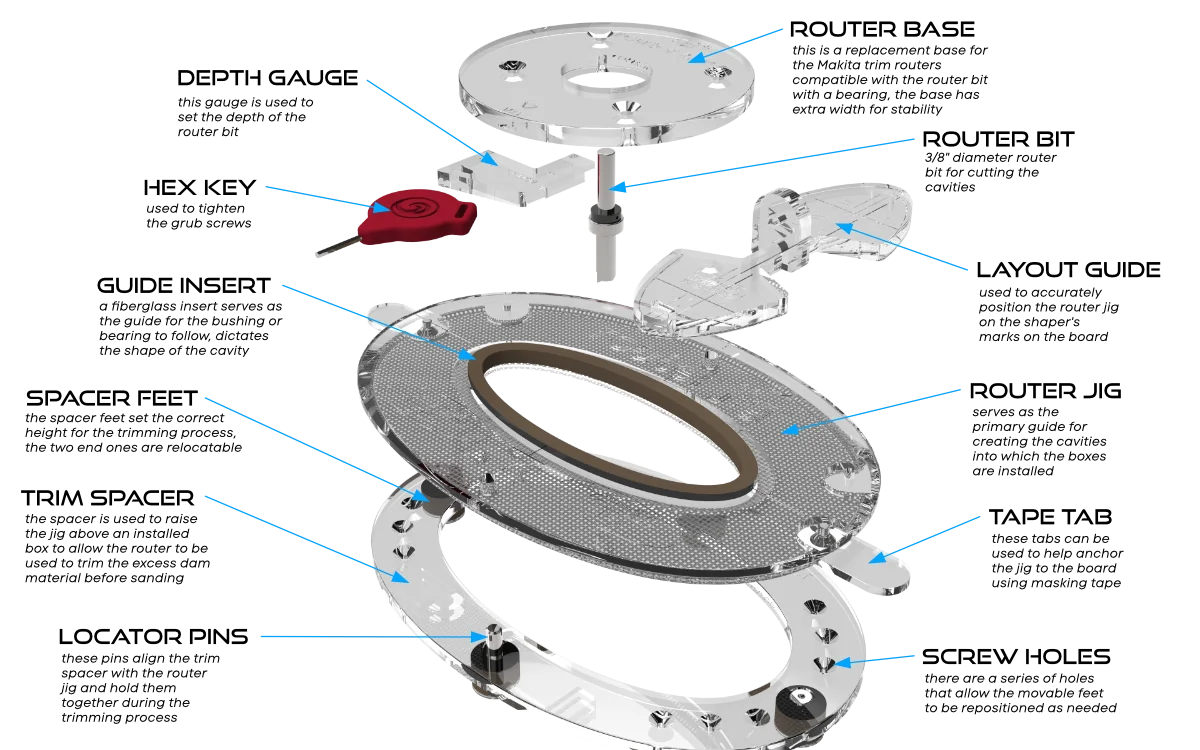
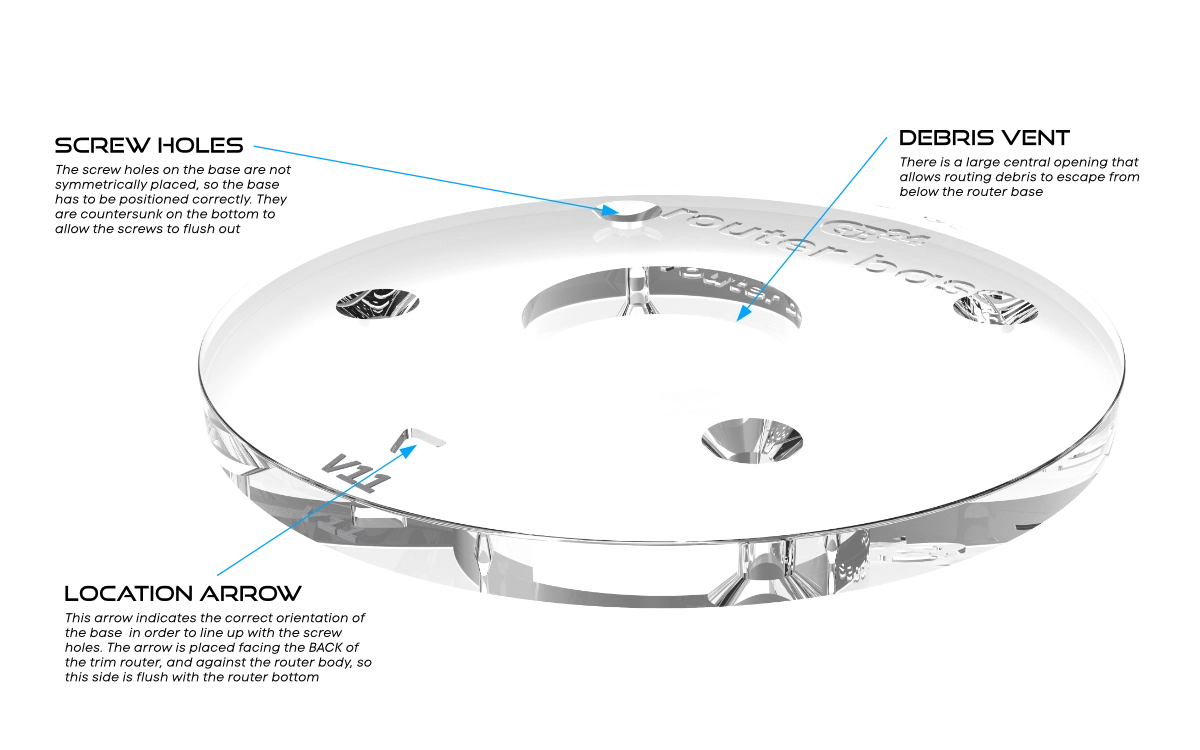
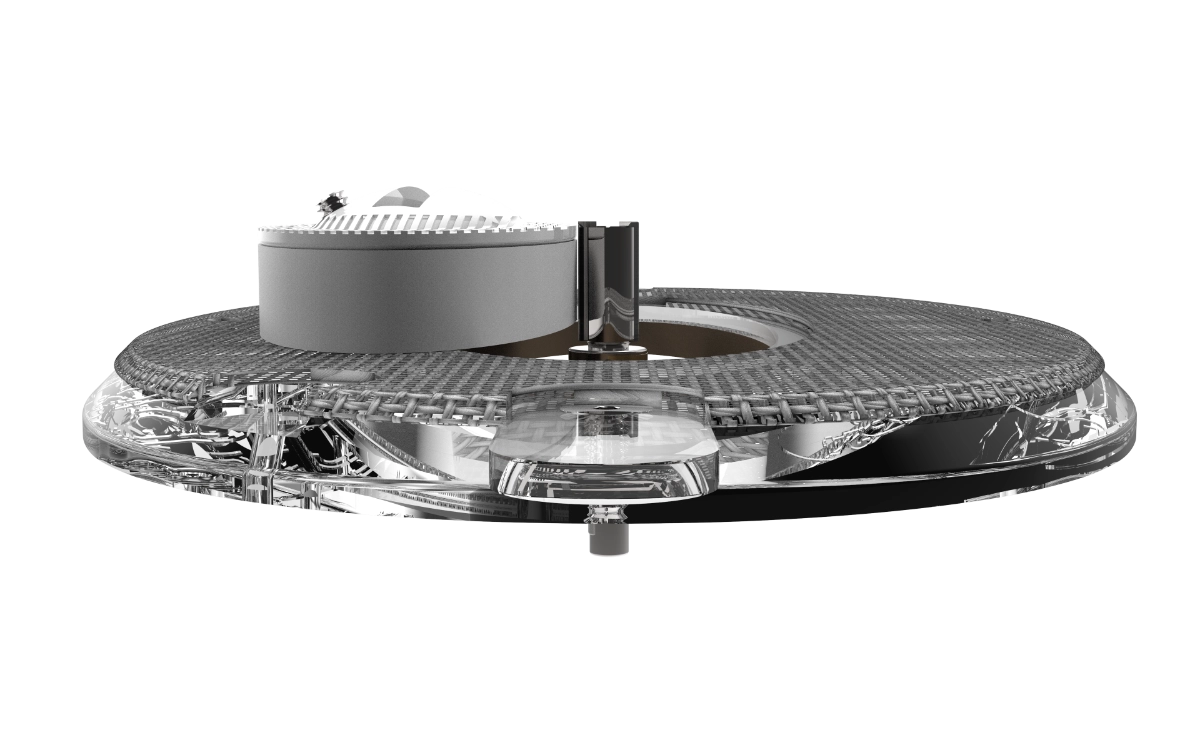
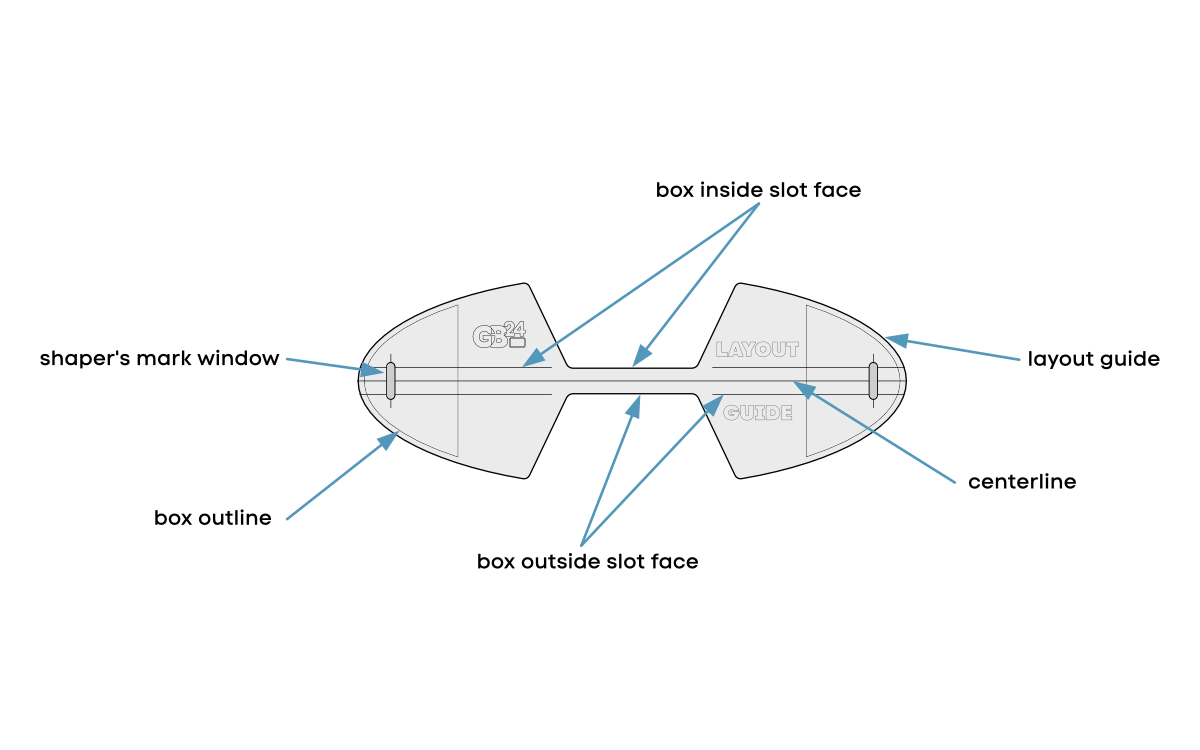
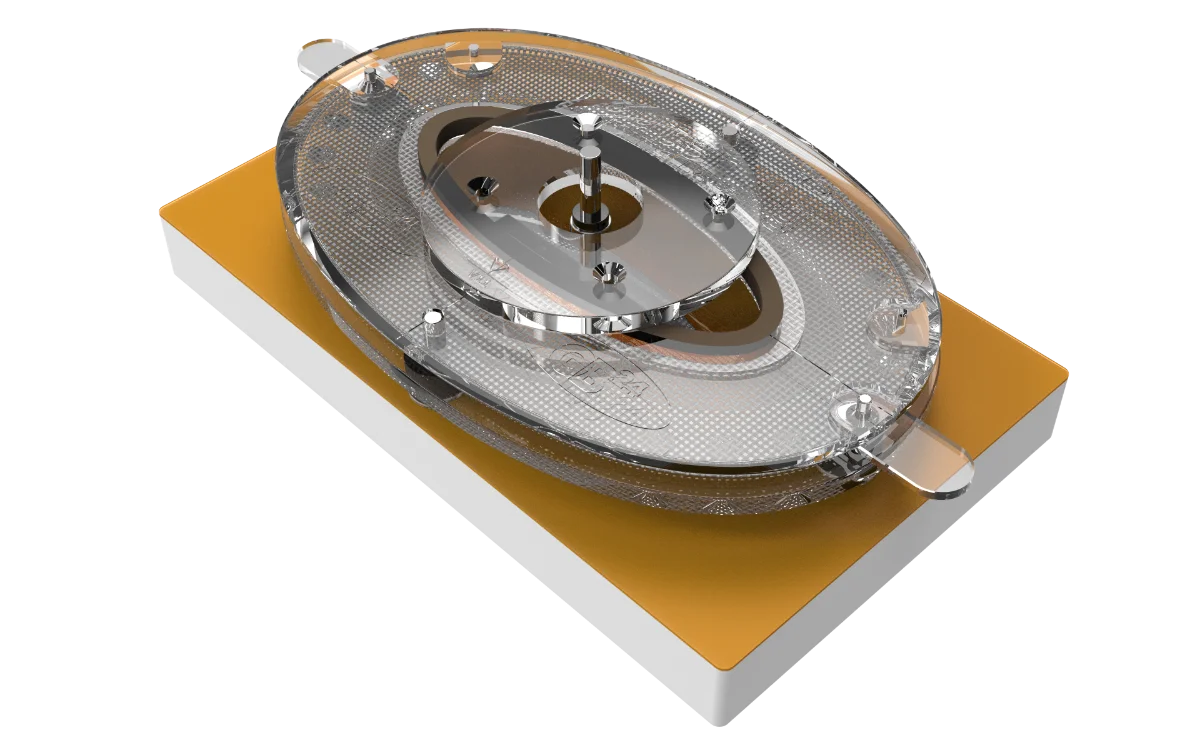
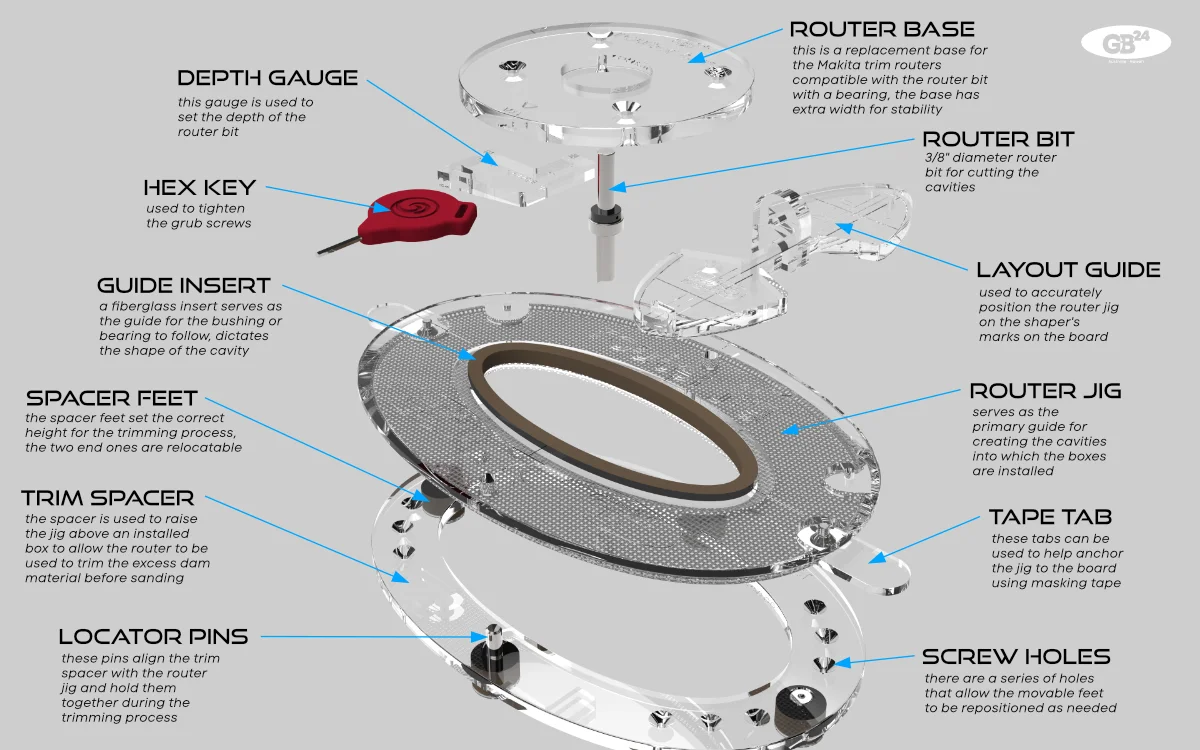
The trim spacer is designed to sit underneath the router jig and raise it by a fixed amount off the bottom of the board. It has two locator pins that align the router jig correctly on top of the spacer. The shapes are symmetrical, but to keep things simple, we ensure that the labels on the jig and spacer are at the top when assembled. The arrow on the jig points towards the rail of the board.
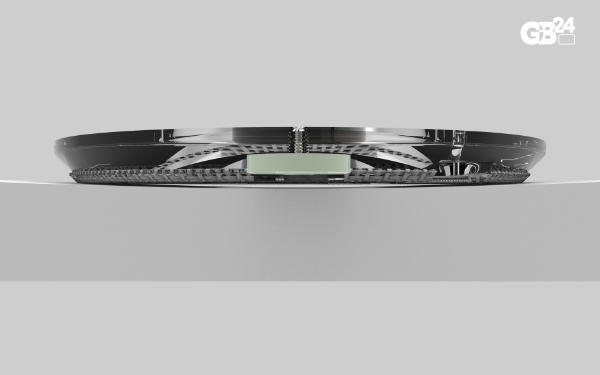
The spacer has four feet, two movable on either end. These movable feet can be relocated to avoid sitting on adjacent boxes or if one is off the rail's edge. The two center feet are fixed and hold the locator pins for the jig.
Each end of the spacer has seven holes into which the feet can be inserted. Each foot has a pin that fits in these holes.
Rubber pads on the bottom of the feet protect the board. Double-sided tape can also be attached to the bottom of these feet to secure the spacer on the board and prevent it from moving during the trimming operation.
Once the jig and spacer have been assembled and placed on the board, the trimming operation can proceed.
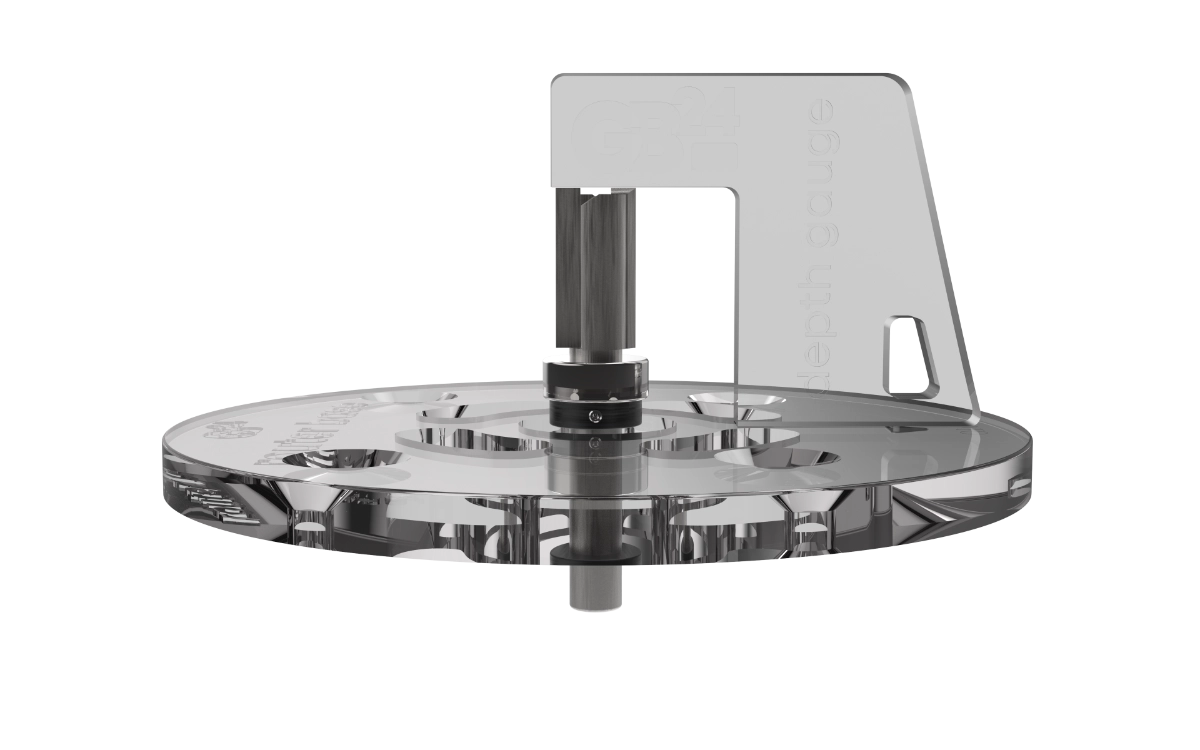
WARNING: Before proceeding, ensure the router bit's bottom is above the bottom of the board. If not, the router bit must be adjusted by placing a small spacer washer between the feet and the spacer, enough to raise the jig without changing the router bit height. We provide small rubber spacers that can be used if needed. The bottom of the router bit should be at least 1/16" [1.5mm] above the bottom of the board.
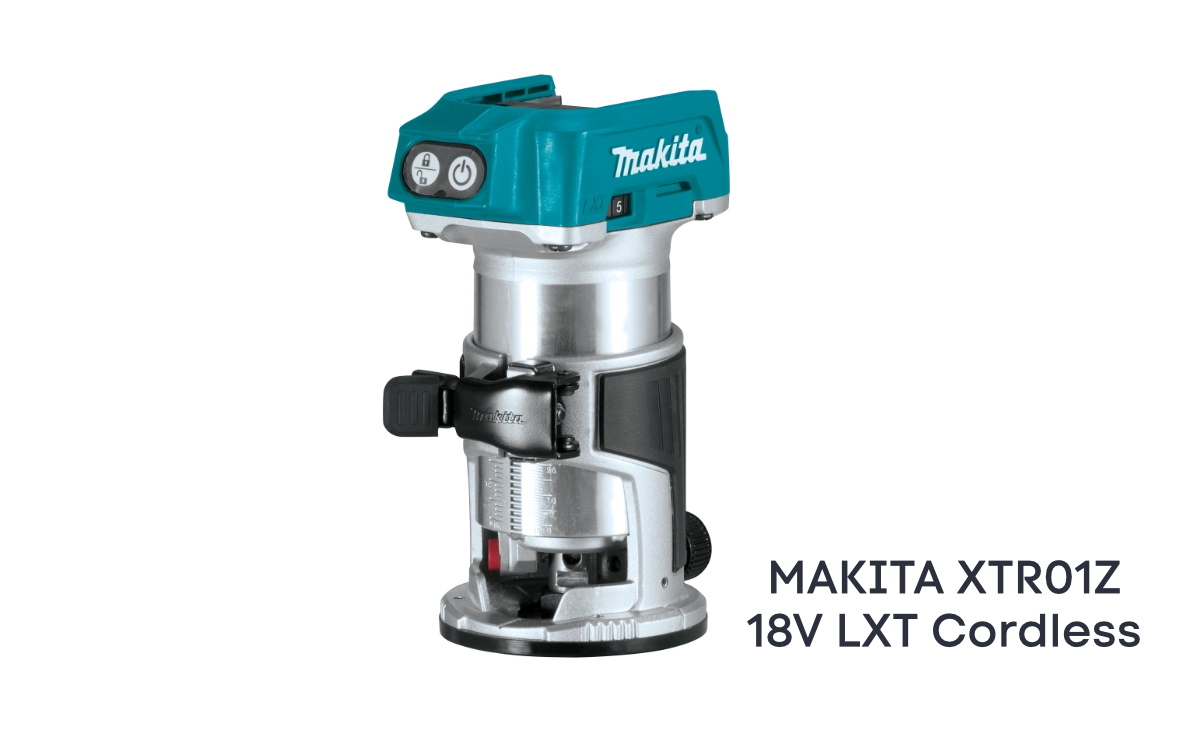
Place the router on top of the jig and make small passes around the dam, removing the excess material. Following the jig edge is unnecessary, as we are not routing that far out. We recommend going slowly and removing small amounts at a time. Ensure the spacer and jig do not move during the process.
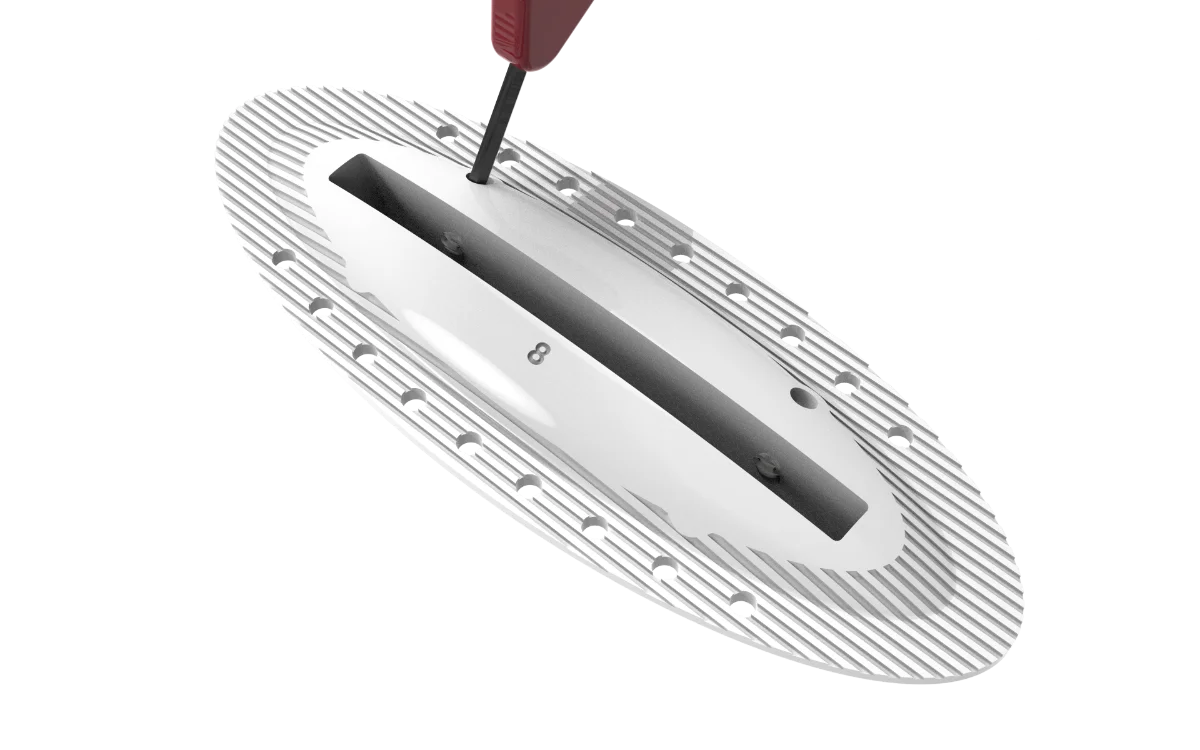
WARNING: It is crucial that when the boxes are prepared for installation, the screws are either removed or turned down well into the box, as we do not want to run into them in this trimming process.
NOTE: This process can be skipped if the sander is willing to sand down the dams with a grinder. We recommend using a 40- or 50-grit disc and running the grinder slowly, which helps reduce the plastic's melting. Go slow! It is also advisable to ensure that the screw holes are filled with clay, so that melted plastic does not become lodged in the hole.
BE VERY CAREFUL WHEN USING THIS PROCESS. IF THE HEIGHT OF THE ROUTER BIT IS NOT SET CORRECTLY, IT COULD EASILY DAMAGE THE BOARD. DOUBLE-CHECK EVERYTHING BEFORE PROCEEDING. GO SLOWLY WHEN REMOVING MATERIAL, AS THE ROUTER BIT COULD BIND IN THE PLASTIC.